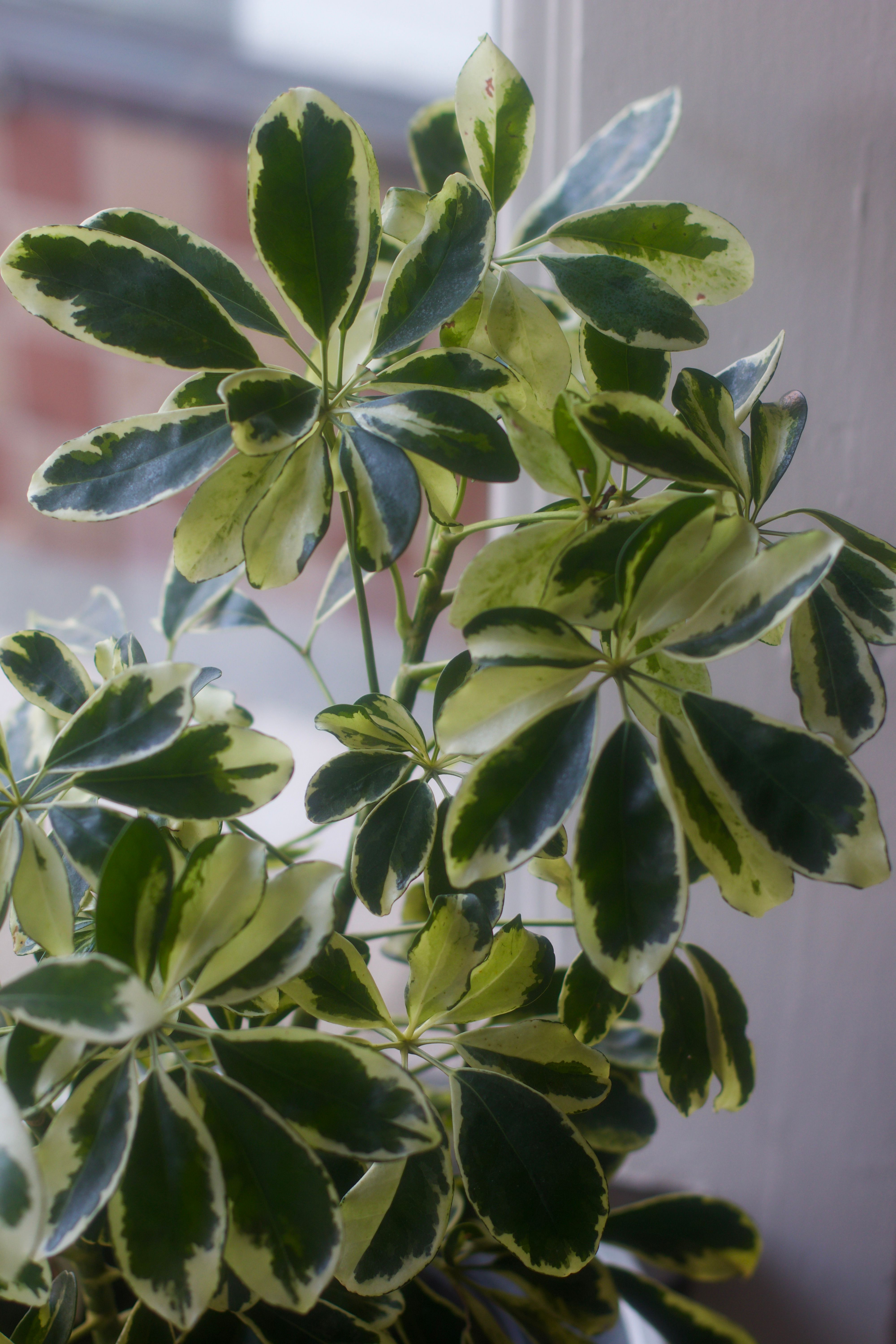
You spent the summer watching your outdoor patio plants thrive, brought them inside to save them from the cool October nights, and within a week, a swarm of tiny black flies are hovering around your favorite Monstera.
Moving plants indoors in October almost always invites a few unseen hitchhikers. Outdoor ecosystems naturally regulate pest populations with rain, wind, and beneficial predators. When those plants move into a warm, still living room, those tiny bug populations explode. The good news? Catching and treating fall pests is much easier than you think. Here is how to identify what brought itself inside and how to clear it up this week.
Why Fall Is Bug Season Indoors
Outdoor plants spend all summer building up a thriving, invisible ecosystem in their soil and canopy. Outside, ladybugs, lace wings, rainstorms, and birds keep pest numbers smaller.
The moment you bring a pot inside, three things happen:
- Predators stay outside: The natural checks and balances are left in the garden.
- Warm, dry air: Your home's furnace creates the exact warm, windless environment pests need to reproduce rapidly.
- Soil stays wet longer: Cooler autumn indoor light means soil dries out slower, creating an ideal breeding ground.
Fungus Gnats
If small, weak-flying black insects are fluttering around your face or landing in your coffee mug, you are dealing with fungus gnats.
- What they look like: Tiny, mosquito-like gnats that hover near the soil surface. They don't bite humans or harm adult foliage, but their larvae feed on organic matter and delicate root hairs in damp soil.
- Why they show up: Outdoor soil is rich in decaying organic material, and bringing damp pots into cool, low-light indoor spaces keeps the top layer of soil wet for days.
- The quick fix:
- Let the soil dry out: Fungus gnat larvae cannot survive in dry soil. Let the top 2 to 3 inches of soil dry out completely before watering again.
- Use yellow sticky traps: Place yellow sticky stakes directly in the soil to catch the flying adults and break the breeding cycle. We carry these in both of our store locations.
- Bottom water: Water your pots from the bottom dish so the top layer of soil stays dry, making it uninviting for adult gnats to lay eggs.
Spider Mites
If your plant's leaves suddenly look dusty, washed out, or covered in tiny webs, spider mites have likely moved in.
- What they look like: Microscopic pests that look like tiny crawling specks on the undersides of leaves. You will usually notice their fine, silky webbing around leaf joints before you see the mites themselves.
- The damage: They pierce leaf cells to drink sap, leaving behind a dull, yellow-speckled pattern (stippling).
- The quick fix:
- Shower the plant: Bring the plant to your sink or shower and spray down the undersides of the leaves with a firm stream of lukewarm water to physically wash away the webs and mites.
- Increase humidity: Spider mites thrive in dry indoor heat. Running a humidifier slows their reproduction down significantly.
- Spray the plant: If you find these on your plant, you must treat it. Apply a thorough coat of insecticidal soap or our in-house plant protect spray across the tops and undersides of every leaf once every 5 to 7 days until clear.
Mealybugs & Scale
These two pests are the masters of camouflage and love hitching a ride inside on stems and leaf nodes.
- Mealybugs: Look like small, fuzzy bits of white cotton nestled in leaf crevices, stem joints, or under pot rims. They produce a sticky residue (honeydew) on lower leaves.
- Scale: Appears as small, raised brown or tan waxy bumps along main stems and leaf veins. They look like part of the plant tissue, but you can scrape them off with a fingernail.
- The quick fix:
- Dab with alcohol: For minor mealybug spots, dip a cotton swab in rubbing alcohol and touch each white bug directly to instantly dissolve its protective coating.
- Manual removal for scale: Gently scrape off visible scale bumps using a soft cloth or toothbrush dipped in soapy water.
- Pest treatment: Treat the soil or foliage with an organic insecticidal rinse or our in-house plant protect spray to ensure any hidden pests are wiped out.
The 5-Minute Doorstep Check
If you still have a few plants sitting on your patio or porch waiting to come inside, do this 5-minute check right at the doorway before bringing them across the threshold:
- Check the undersides: Flip over a few mature leaves and look closely for webbing, white fuzz, or brown bumps.
- Inspect the pot rim: Look under the inner rim of the planter and around the drainage holes where bugs love to hide.
- Flush the soil: Give the pot a thorough watering outside and watch for anything crawling up out of the topsoil.
- Wipe down the leaves: Give the foliage a quick wipe with a damp microfiber cloth to remove outdoor dust and knock off hitchhikers.
- Isolate for 10 days: Keep newly brought-in plants in a separate room away from your main indoor collection for a week or two so you can catch any delayed hatches before they spread.
Need Extra Help Clearing Out Fall Pests?
If you aren't sure which bug you're looking at, or if you want a second pair of eyes on a stressed plant, we are always here to help!
Snap a clear photo of the leaves, soil, or stem, then stop by our Westerville or Dublin shops. You can check out our full lineup of gentle pest treatments, grab a bottle of our plant protect spray, or chat with our team to get a tailored treatment plan to clear up your collection!