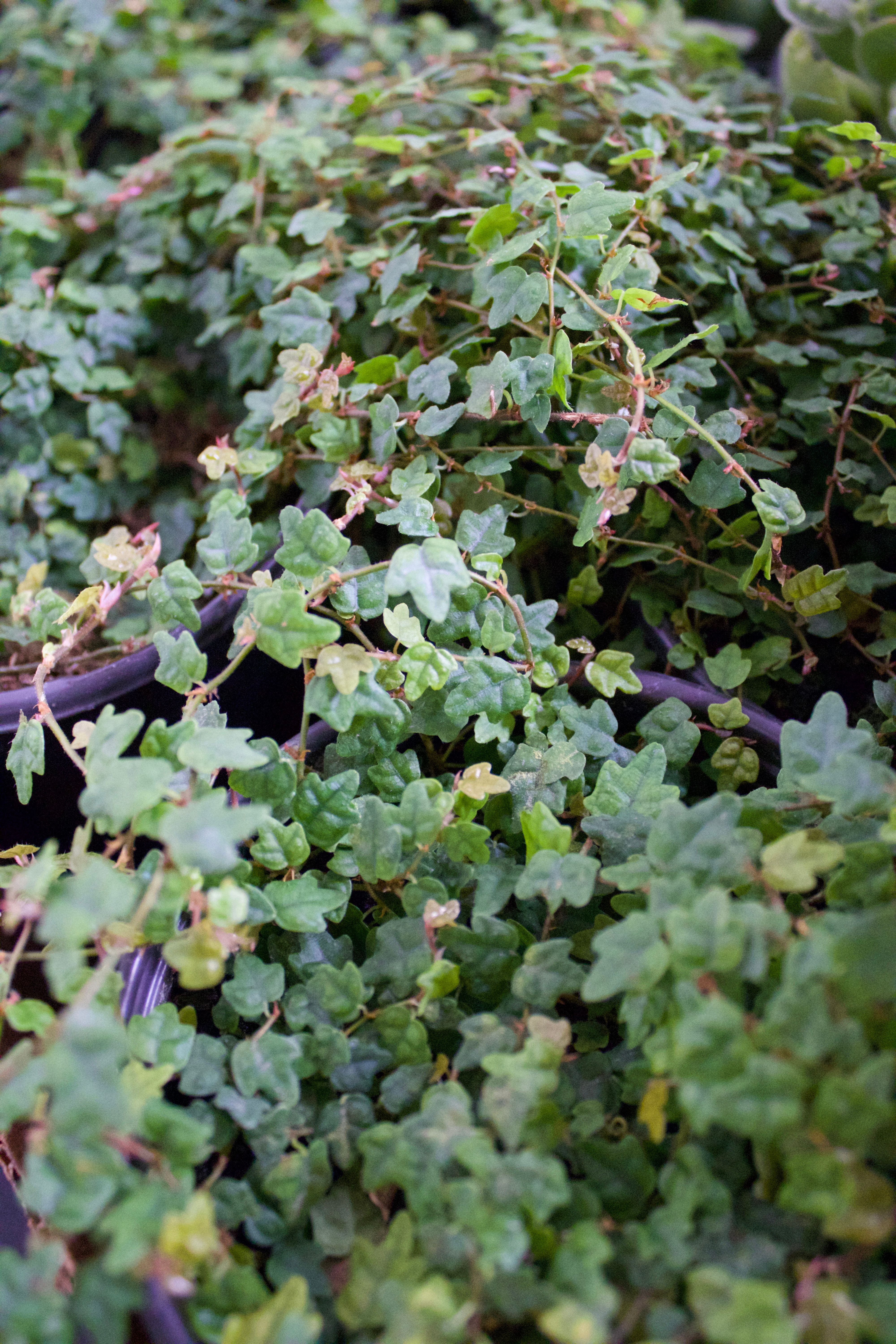
String of Frogs are one of the most charming, miniature trailing plants in the indoor botanical world. Named for its tiny, bright green leaves that look like little tree frogs, this trailing plant brings a whimsical, delicate texture to any space.
At Over Grown, we love String of Frogs for its rapid vining habit and versatile styling potential. Unlike typical succulent “Strings of Thing”, String of Frogs is actually a creeping fig tropical, meaning its care is a bit different.
Essential String of Frogs Care Requirements
Lighting
Coming from the tropical understory of East Asia, String of Frogs thrives in bright environments where it can absorb soft, filtered sunlight.
- Ideal light conditions: Bright, indirect light is essential for rapid, dense growth. An east-facing window or a spot a few feet back from a sunny south or west-facing window provides the ideal soft light.
- Vining thickness: Ample light keeps the leaves growing densely packed along the delicate vines.
- Avoid: Harsh, direct afternoon sun, which will quickly scorch and crisp the paper-thin leaves. Low-light spots will cause the stems to grow long, thin, and sparse.
- Signs of improper light: Leggy stems with wide gaps between leaves mean the plant needs a brighter window, while bleached or crispy leaves indicate too much direct sun.
Watering
Because String of Frogs is a member of the Ficus family rather than a succulent, it has fine, fibrous roots that do not like to dry out completely.
- How often to water: Water when the top 25-50% of the soil feels dry to the touch. The goal is to keep the soil lightly and consistently moist, without staying soaking wet consistently.
- Bottom watering works wonders: Just like with delicate String of Hearts, bottom watering is a fantastic method for String of Frogs. It allows the shallow, delicate root system to absorb moisture evenly without disturbing the delicate foliage on top.
- Check the soil: Lift the pot to feel its weight. If it feels feather-light, it’s time to give it a thorough soak until water drains out the bottom.
- Avoid: Letting the soil dry out to 100% bone-dry status. Once these paper-thin leaves crisp up from drought, they will drop off quickly and won't recover.
- Signs of improper watering: Rapid leaf drop or crispy brown leaves mean the soil got too dry. Yellowing leaves and soggy stems indicate overwatering or compacted soil.
Soil and Fertilization
Because String of Frogs needs consistent moisture, it requires a soil mix that holds light hydration while staying airy enough to prevent root suffocating.
- Potting medium: A high-quality, airy tropical potting mix blended with perlite, peat moss/coco coir, and fine orchid bark works best. This retains necessary moisture while maintaining vital oxygen pockets around the fine roots.
- Fertilizing: Feed your String of Frogs with a diluted, balanced liquid fertilizer every 3-4 weeks during the active spring and summer growing season. Adding a few drops of our liquid fertilizer to your watering keeps its delicate vine growth strong and bright green.
Humidity & Leaf Care
If there is one "secret ingredient" to keeping String of Frogs happy, it is ambient air moisture.
- Humidity preferences: Thrives best in medium to high humidity (50% or higher). It makes an absolute showstopper in terrariums or cloches where moisture stays trapped.
- Methods to increase humidity: Run a humidifier nearby or group it closely with other leafy tropicals to create a humid microclimate. For more tips on increasing humidity, check out our blog, ‘Humidity 101’.
- Pruning for bushiness: Don't be afraid to give your String of Frogs a hair cut! Snipping the tips of trailing stems encourages the plant to branch out from the base, giving you a significantly fuller pot.
Pests and Treatment
Because String of Frogs produces a dense canopy of tiny, thin leaves, pests can occasionally hide in the foliage if air circulation is low.
- Common Pests: Spider Mites love dry air and paper-thin leaves. Keep an eye out for fine webbing between the stems. Mealybugs can also occasionally hide near the soil surface.
- Treatment: Increase humidity around the plant immediately. Give the entire plant a gentle shower under lukewarm water and apply a thorough spray of our Plant Protect Spray to clear out hidden pests. For more identification and treatment tips, visit our blog, ‘Identifying & Treating Houseplant Pests.’
Common Problems and Solutions
String of Frogs will let you know right away if its moisture levels drop too low.
Crunchy, Crispy Leaves Dropping Rapidly
- Causes: The most common String of Frogs issue! Soil stayed dry for too long, or the ambient humidity dropped dramatically.
- Solutions: Give the pot a 20-minute bottom-watering soak immediately. Trim away completely bare or dead stems, boost room humidity, and keep up with a consistent watering routine.
Leggy Stems with Bare Patches
- Causes: Lack of sufficient indirect light or a need for a quick prune to encourage lateral growth.
- Solutions: Move the pot closer to a bright, indirect light source. Snip back the longest leggy vines right above a leaf node to trigger bushy new shoots.
String of Frogs Care for Beginners: A Summary
How to keep your leafy miniature vines thriving:
- Lighting: Give it bright, indirect light to keep the leaf growth dense and colorful.
- Watering: Keep the soil lightly and consistently moist, never let it dry out completely!
- Humidity: Provide medium to high humidity for pristine, soft foliage.
We hope this guide helps your miniature vines cascade beautifully! For more expert plant care guides, sign up for our newsletter below.