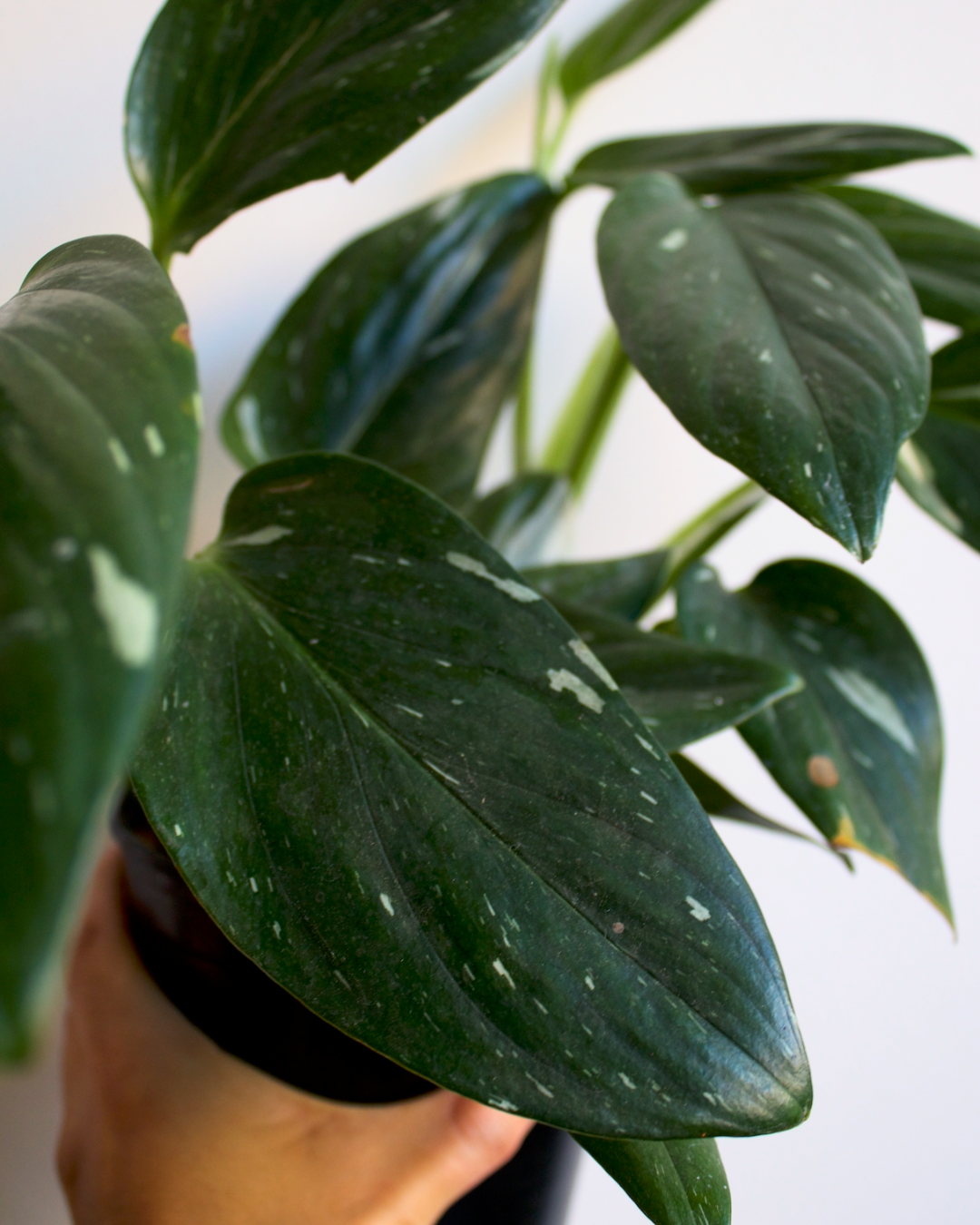
When you look around your living room and notice a dull layer of gray dust sitting on your Monstera or Ficus, your first thought is probably about aesthetics. Dust makes vibrant indoor jungle foliage look tired, neglected, and flat. But here is the real truth - dusting your houseplants isn't a cosmetic chore, it’s a vital part of the way they can absorb light.
If your plants are struggling to push out new growth despite sitting in a bright window, a thick layer of household dust might be the silent culprit standing in their way.
What Dust Actually Does to Photosynthesis
Leaves are your plant’s solar panels. They process sunlight through specialized cells packed with chlorophyll, while tiny microscopic pores called stomata (usually located on the undersides and surfaces of leaves) open and close to breathe in carbon dioxide and release oxygen.
When a layer of dust or hard water mineral buildup coats the foliage, two things happen:
- Light Absorption Drops: Dust acts like a window shade pulled down over the leaf cells, blocking some of the available ambient light from reaching the chlorophyll.
- Respiration Gets Clogged: Grime physically blocks the stomata, making it significantly harder for the plant to transpire moisture and breathe efficiently.
In short, keeping leaf blades clear ensures your foliage can maximize every ray of light coming through your windows.
The Cleaning Method by Leaf Type
Not all foliage is created equal! Wiping a delicate plant the same way you clean a sturdy one will only lead to snapped stems and torn leaves. Here is how to clean based on leaf texture:
- Broad, Glossy Leaves (Monstera, Ficus, Anthurium, Bird of Paradise):
-Method: Support the underside of the leaf blade with one flat hand to prevent snapping the petiole. Use a damp, soft microfiber cloth to gently wipe from the stem outward to the leaf tip.
- Fuzzy or Texturized Leaves (African Violets, Peperomia varieties, Begonias):
-Method: Never use a wet cloth on fuzzy foliage, as trapped water droplets can cause fungal spots and rot! Instead, use a dry, soft-bristled paintbrush or a clean makeup brush to gently sweep dust away from the leaf hairs.
- Delicate or Tiny Foliage (String of Frogs, Maidenhair Ferns):
-Method: Wiping tiny individual leaves by hand is impossible and will strip the stems bare. Instead, bring the entire plant to the sink or shower and give it a gentle rinse off.
What We Use in the Shop vs. What We Never Use
At Over Grown, keeping our display foliage clean is an important ritual. But there is one popular commercial product we keep far away from our plants:
- What We Use (Plant Protect & Microfiber): We use a soft microfiber cloth paired with our custom Plant Protect Spray. Formulated with gentle, natural ingredients, it lifts grime and mineral spots while leaving behind a clean, healthy sheen and providing a protective barrier against pests.
- What We NEVER Use (Commercial Leaf Shine): Commercial "leaf shine" sprays often contain waxes, or heavy oils designed to create an artificial, high-gloss coat. While they look shiny for a few hours, these chemical waxes permanently clog the leaf's stomata, trapping dust and suffocating the plant over time.
How Often to Clean (And Why Fall Is the Ideal Time)
As a general rule, cleaning your plant foliage once every 3 to 4 weeks is enough to keep dust from building up. A quick "finger test", running your thumb across a leaf to see if it leaves a clean streak behind, will tell you if it's time.
While cleaning leaves is a year-round maintenance habit, autumn is the critical moment to get diligent. As summer transitions into fall, daylight hours shrink dramatically, sun angles shift lower on the horizon, and indoor heating units kick on, circulating dust and dry air throughout your home. Because your plants will be receiving significantly less sunlight during fall and winter, removing every bit of dust ensures they capture 100% of the limited natural light available during the darker months.
Need Help Keeping Your Foliage Pristine?
If your plant leaves are looking dull, streaked with hard water spots, or overdue for a spa day, we're here to help!
Stop by our Westerville or Dublin boutiques to pick up a bottle of our in-house Plant Protect Spray, and chat with our team about the best care techniques for your specific indoor jungle setup.