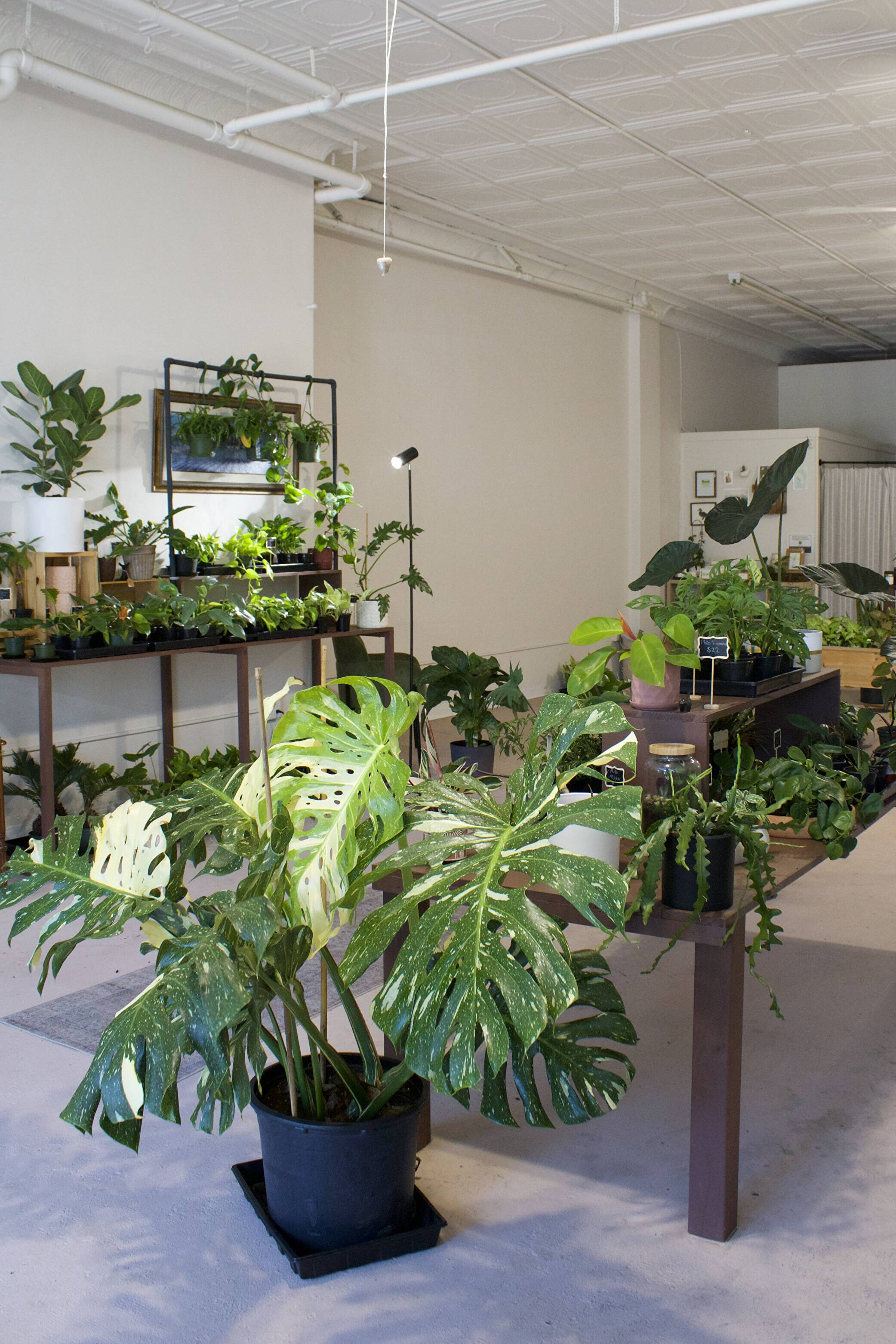
Properly preparing your houseplants for the cold helps prevent cold shock, pest infestations, and other common winter woes. With a little proactive care, you can ensure your plants stay happy and healthy until spring returns. For those plants that have enjoyed a vacation on your patio or balcony, the transition indoors is a crucial step. Even for your year-round indoor companions, the drop in temperature and light requires a shift in care.
For any plants that spent the summer outdoors, the move inside is the most important step. Timing is everything, don’t wait until the first frost. The ideal time to bring your plants indoors is when nighttime temperatures consistently drop below 50-55°F. Many tropical plants will begin to show signs of stress before it even gets close to freezing, so an early move is always better than a late one.
The Crucial Pest Check
The outdoors is filled with insects, and many of them would love to hitch a ride into your warm home. Before bringing any plant inside, give it a thorough inspection.
- Clean them up: Hose down or shower your plants to dislodge any pests hiding on the leaves or stems.
- Inspect every nook: Carefully check the undersides of leaves, stems, and the soil surface for any signs of bugs. If you find pests, treat the plant before moving it indoors and especially near your other plants. We recommend our Plant Protect Spray which can be found in our stores and through our online shop. Use it to treat any pests you do see, as well as use it to prevent future outbreaks and give all the leaves a freshen up.
Once your plants are safely inside, the challenge shifts from cold to the dry, low-light environment of a heated home.
Light & Location
Indoor light is significantly weaker than outdoor light, especially in the Fall and Winter.
- Move them closer: Relocate your plants closer to the windows. With the days being shorter and the sun not being as intense, this will ensure they are still getting sufficient light. If you find that your plants still are not receiving enough light, you can try adding grow lights to your plant set-ups.
- Avoid cold windows: While windows provide light, be mindful of cold drafts. Place plants a few inches away from the glass to prevent cold shock on their leaves.
Adjusting Watering Schedules
This is a common pitfall of winter plant care. Shorter days and lower temperatures mean your plant’s growth slows down, the soil doesn’t dry as fast, and it needs less water.
- Check the soil: Always check the soil moisture before watering.
- Less is more: Watering frequency will likely decrease to every 2-3 weeks, depending on the plant. Overwatering is the number one cause of root rot during the winter months.
Humidity is Key
Indoor heating systems can make the air extremely dry, which is a shock to most tropical houseplants. Try and increase the humidity through the following methods:
- Use a humidifier: A small humidifier near your plant collection is the best way to maintain a consistent humidity level.
- Group plants together: Grouping plants creates a localized microclimate with higher humidity.
Reduce the Fertilizing
Most houseplants enter a period of dormancy in the fall and winter.
- Reduce fertilizing: With slower growth and less light, plants are not actively absorbing nutrients from the soil. You can reduce fertilizing your plants from late fall until early spring.
- Resume in spring: Start fertilizing again when you notice new growth in spring.
Once your plants are settled in, a little ongoing care will see them through the winter.
- Continued monitoring: Keep an eye out for pests like spider mites, which thrive in dry, indoor conditions.
- Dust the leaves: Gently wipe down the leaves with a damp cloth every few weeks. This allows for better light absorption, which is vital in the low-light months.
- Protect from drafts: Keep plants away from heating vents, radiators, and cold drafts from doors and windows.
With these simple steps, you can help your houseplants transition seamlessly from a lively outdoor summer to a cozy and safe winter indoors. As always, our team at Over Grown is here to help if you have any questions.
Keep in mind, things such as a couple dropping leaves and slower growth is normal during this time of the year. Don’t be discouraged if you notice your plants not doing as well as they were in the warmer months!
We hope this guide helps you keep your plants happy through the colder months! If you're looking for more expert advice, exclusive content, and a community of fellow plant lovers, be sure to sign up for the Over Grown newsletter below.