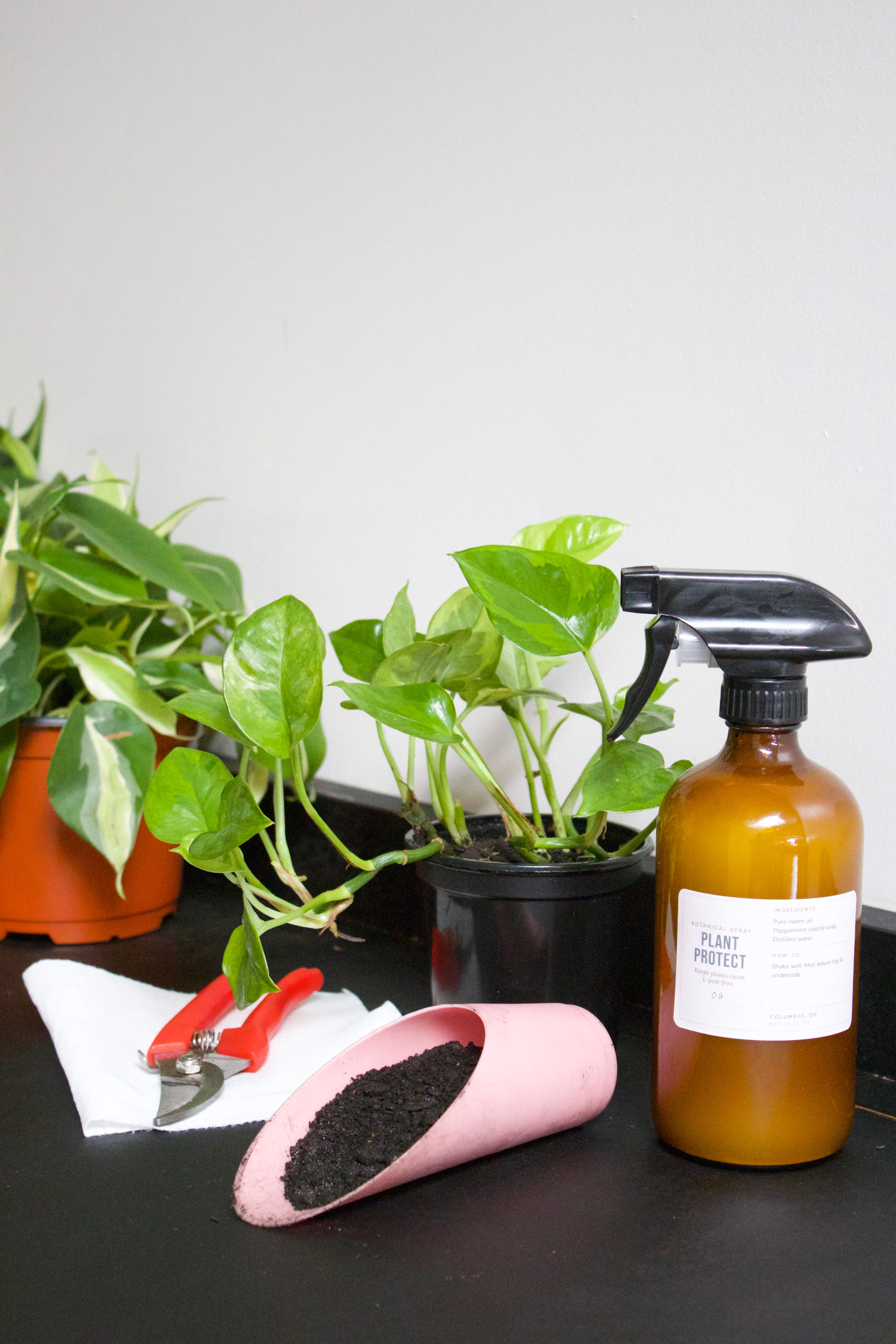
When a plant starts dropping leaves, yellowing, or wilting, the immediate instinct is to do something… usually throwing extra water at it, moving it around the room, or dosing it with fertilizer.
But at our shop's plant rescue bar, we see the results of this panicked approach all the time. More often than not, random treatments wind up stressing an already compromised plant even further. If you want to save a struggling plant, you must diagnose the actual root cause before you apply a cure. Here is the step-by-step guide to bringing a failing plant back.
Start with the Roots, Not the Leaves
The biggest secret to plant rescue is looking past the foliage and going straight to the source. A plant's leaves are just a mirror for what is happening below the soil line. Yellowing, dropping leaves, and severe wilting can be signs of both underwatering and overwatering. To know which one you're dealing with, you have to look at the root system.
Gently slide the plant completely out of its pot and inspect the roots:
- Healthy Roots: These are firm, plump, and typically white, cream, or light tan. They smell like fresh water and soil.
- Dehydrated Roots: These look shriveled, brittle, paper-thin, and dry. They will easily snap or crumble when touched.
- Rotted Roots: This is the ultimate plant killer. Rotted roots are dark brown or black, slimy, mushy, and carry a distinct, stagnant-water smell. The outer sheath of the root will slide right off if you pull it gently.
Light, Water, Pests: The Three-Questions
Once you've looked at the roots, run the plant through this quick three-question diagnostic check to identify the environmental trigger:
- Has the light shifted? Think about the last 60 days. Did a nearby tree grow full summer leaves and block the window? Did you turn on the central AC and create a draft zone? If a plant isn't getting enough light to fuel its metabolism, it cannot process water, leading to accidental root rot.
- How are you deciding when to water? If you are watering on a strict calendar schedule, you are likely overwatering or underwatering. You must base your watering on soil moisture, not the date.
- Are there uninvited guests? Look closely at the undersides of the leaves and where the leaf stems meet the main vine. If you see fine webbing (spider mites), tiny white cottony tufts (mealybugs), or sticky residue on the foliage, a pest infestation is probably draining your plant's energy.
The Reset: Repot, Prune, Recover
Once you know what’s wrong, it’s time for a physical reset.
If it’s Root Rot:
Take a pair of sharp, clean shears and snip away every single mushy, dark root. Wash the remaining healthy roots thoroughly under water to remove fungus spores. Give it a light spray with a diluted hydrogen peroxide mixture to go a step further, and then repot the plant into a clean container with fresh, chunky potting soil.
If it’s Severely Dehydrated:
If the roots are intact but dry, and the soil has shrunk into a hard, brick-like ball that repels water, standard watering won't work. Fill a sink or bucket with a few inches of lukewarm water and let the pot sit inside for 30 minutes to drink from the bottom up until the soil is fully rehydrated.
Prune the Dead Weight:
Do not leave yellow, dead, or completely crispy leaves on the plant, cut them off at the base using clean shears. Your plant has a limited pool of energy right now, forcing it to maintain dying leaves keeps it from directing that fuel toward pushing out fresh roots and new growth.
The 30-Day Recovery Plan
A recovering plant needs stability above all else. Do not expect it to look perfect overnight. Follow this strict rehabilitation protocol for the next month:
- Days 1 to 7: Place the plant in a warm spot with bright, indirect light. Avoid harsh, direct afternoon sun, which will instantly exhaust a stressed root system.
- Days 8 to 21: Check the soil every three to four days with your finger. Only water when the top two inches are completely dry. If you repotted due to root rot, let the soil dry out slightly more than usual between waterings to discourage lingering fungus.
- Days 22 to 30: Do not fertilize while the plant is in recovery mode. Fertilizer salts can easily burn weak, recovering root tips. Wait until you see the plant push out its first brand-new, healthy leaf before introducing nutrients back into the routine.
Still not sure if it's salvageable? Don't give up on it just yet. Pack up your struggling plant, bring it down to our Westerville or Dublin location, and pull up a seat at our Plant Rescue Bar. Our team will help you unpot it, diagnose the exact issue, trim away any rot, and repot it with the perfect custom soil blend to give your plant the absolute best second chance at life.