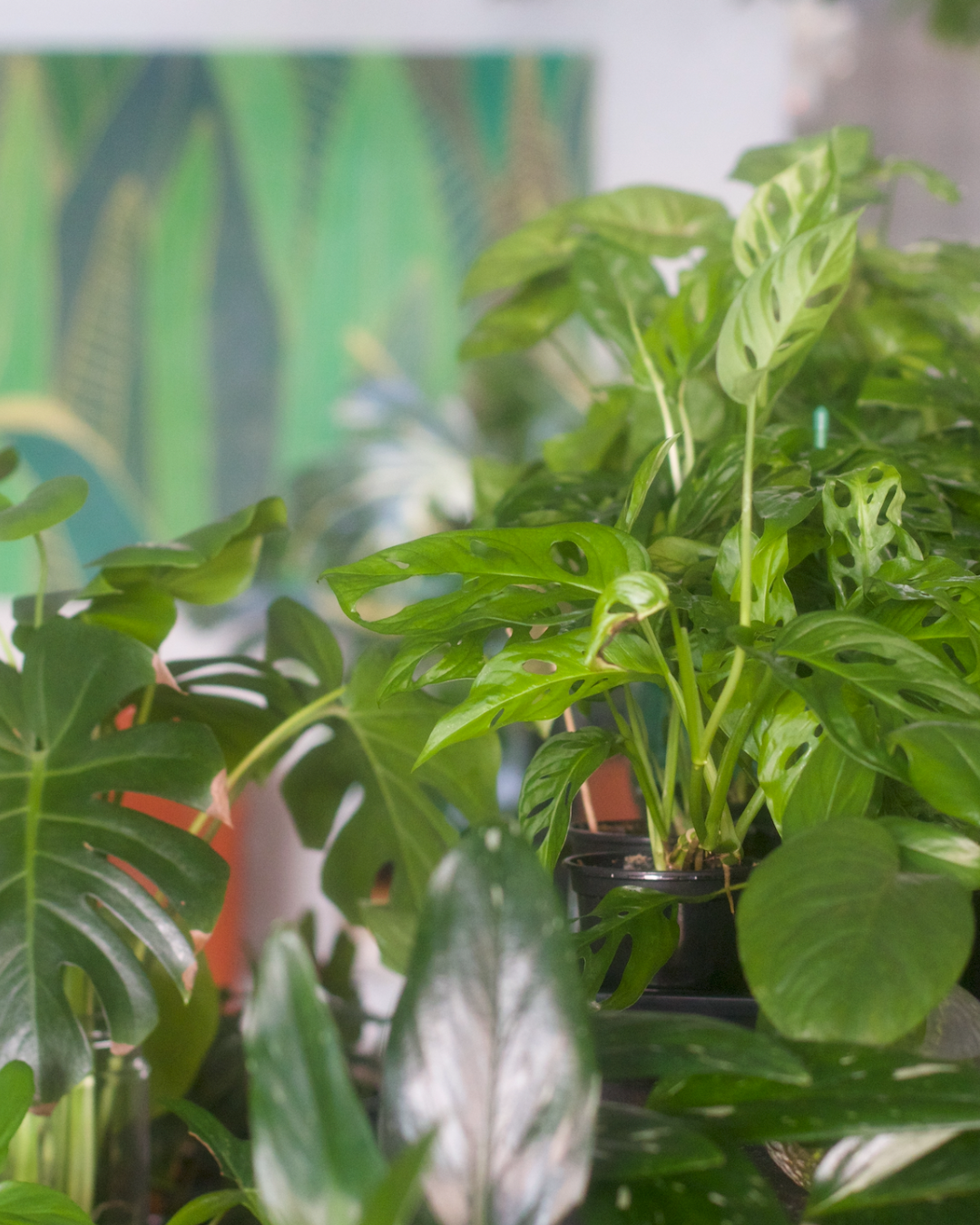
September in Central Ohio is a gorgeous shift, but for your houseplants, September marks the beginning of the more challenging time of the year.
In Columbus, the sunny, humid days that fueled rapid growth all summer quickly give way to shorter daylight hours and dry indoor furnace heat. If you keep your care routine in summer mode, your plants might suffer. Here is your complete roadmap for guiding your indoor jungle safely through the Ohio fall.
The Light Shift: Understanding Sun Angles
The single biggest change between September and November in Columbus is the dramatic loss of solar energy. During peak June and July, the sun sits high in the sky, blasting windows with intense light. By late November, the sun’s peak angle drops and our average daylight shrinks from over 15 hours down to less than 9.5 hours.
What to do:
- Move light-hungry plants (like Ficus, Cacti, and Succulents) closer to windows or shift them from east-facing windows to south or west-facing ones if possible.
- Clean your window panes inside and out to maximize every ray of available sunlight.
- Consider adding grow lights to supplement dark rooms before November hits.
The Watering Shift: Why Your July Schedule Kills in the Fall
If you water your Monstera once a week in July, doing the exact same thing in October will likely lead to root rot.
Because lower light angles and cooler temperatures slow down photosynthesis, your plants aren’t consuming water nearly as fast as they did during summer. Additionally, soil takes significantly longer to dry out in cool rooms. Soil that dried out in 4 days during July might stay damp for 10 to 12 days in October. A good rule of thumb is to always test soil depth with your finger rather than watering on a set calendar day. Allow soil to dry out significantly deeper than you would in the summer before reaching for the watering can. For more on this, check out our previous blog, ‘How to Properly Water Your Houseplants’.
The Humidity Drop: The Night the Furnace Kicks On
In Columbus, summer indoor humidity comfortably hovers between 50% and 65%. But the moment temperatures dip in October and your home furnace fires up for the first time, indoor relative humidity can plummet to 20%-30%.
This sudden drop in atmospheric moisture pulls water straight out of delicate tropical leaves, leading to crispy brown tips, curling edges, and stressed foliage (especially for plants like Calatheas, Ferns, and Alocasias).
Check our our blog, Humidity 101 to see why this is important, but here are some quick tips on how to combat furnace dryness:
- Group humidity-loving plants together to create a microclimate.
- Set up a cool-mist humidifier near your tropical collection.
- Keep plants away from direct blast zones of floor vents and radiator units.
Bringing Outdoor Plants In: The Pest Quarantine
If you moved any of your plants onto your patio for the summer, they must come inside before outdoor nighttime temperatures consistently drop below 55°F (usually late September in Central Ohio).
However, bringing outdoor plants straight into your indoor collection is a recipe for a house-wide pest outbreak.
The 3-Step Indoor Prep:
- Hose Down: Thoroughly spray down the foliage and pot exterior with a firm stream of water to knock off loose insects.
- Treat: Treat the foliage and topsoil with a gentle insecticidal soap or our Plant Protect Spray.
- Quarantine: Keep brought-in plants in a separate room away from your indoor collection for around 14 days to ensure no hidden pests hatch or were missed.
Fertilizer: When to Stop and Why
By mid-to-late October, houseplant growth slows down significantly as plants enter their natural winter dormancy or semi-dormancy phase. You can stop feeding your plants by mid-October, or just reduce the amount you have been doing it during the warmer months.
Applying fertilizers when a plant is not actively growing leads to an accumulation of unused mineral salts in the soil. These unabsorbed salts can burn root tips and cause leaf browning. You can safely resume your feeding routine in early spring (around March) when new leaf buds begin to push out.
Need Help Preparing Your Plants for Winter?
Transitioning your plant routine for the season doesn't have to be overwhelming! Stop by our Westerville or Dublin plant shops to chat with our team about seasonal light setups, pick up specialized indoor pest preventative products, or get expert advice tailored to your specific plant collection.