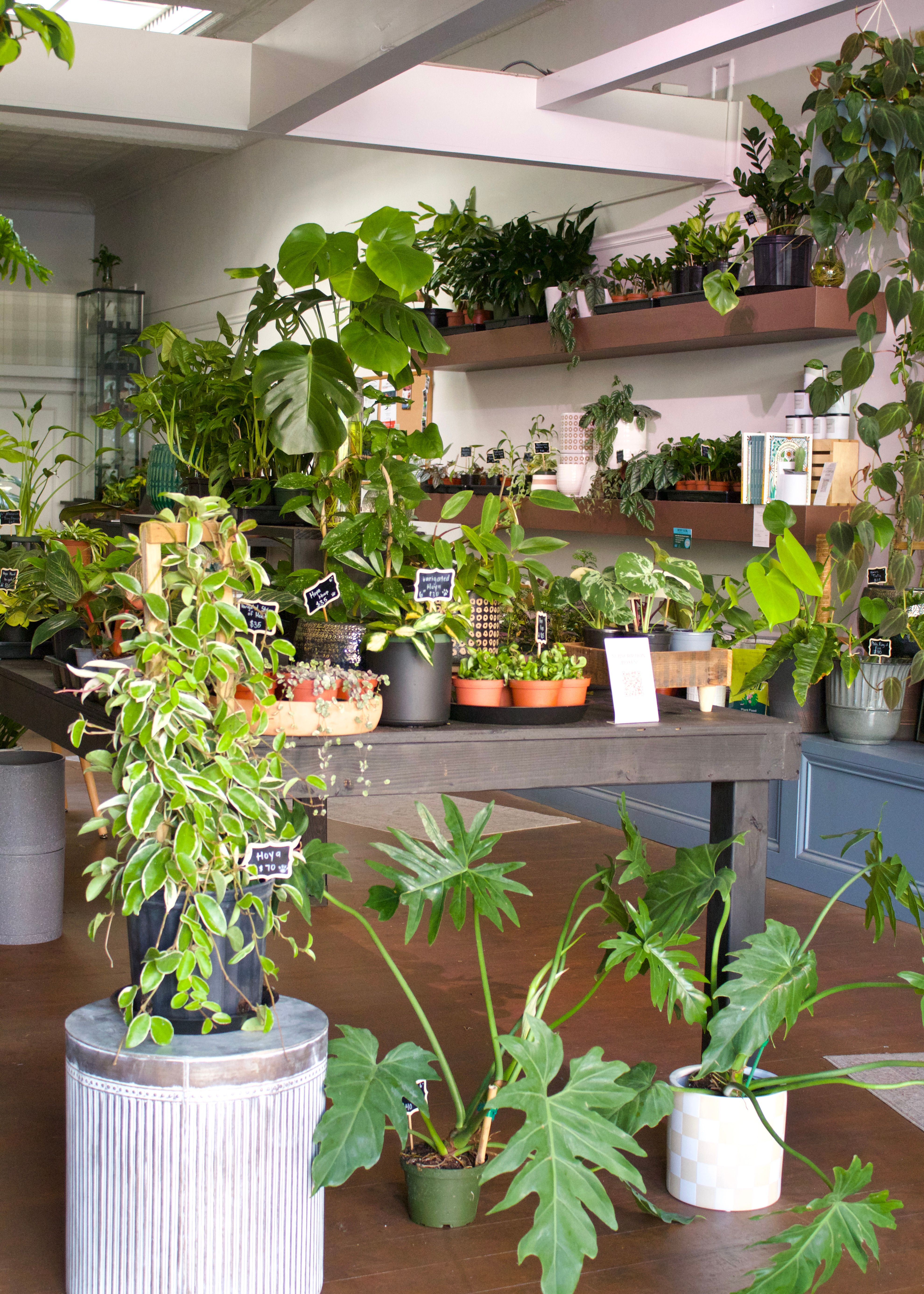
Bringing a new plant home is always exciting! Whether you’ve been hunting for a specific collector piece or simply couldn't resist a lush trailing vine during a weekend shop run. But that transition from a bright, climate-controlled nursery to your living room is actually the most critical phase of your plant's journey.
Tropical plants experience a mild phase of relocation stress when introduced to new light levels, humidity, and airflow. How you handle those couple days sets the stage for long-term growth. Here is your official First 48 Hours Checklist to ensure your new green friend settles in seamlessly.
1. Do a Quick Pest Inspection
Before bringing any new foliage near your established home jungle, spend two minutes doing a thorough physical check. Even in meticulously maintained shops like ours, tiny pests can occasionally catch a ride.
- Under the Leaves: Flip the foliage over and look closely near the central leaf veins. Watch out for fine webbing (spider mites) or tiny, cotton-like white spots (mealybugs).
- The Stem Junctions: Check where the petioles attach to the main stem, this is a favorite hiding spot for scale and thrips.
- Topsoil Movement: Give the top layer of dirt a gentle tap. If tiny insects fly up, fungus gnats are present.
Pro Tip: Give the foliage a light, preventative wipe down with our Plant Protect spray or a damp microfiber cloth right when you unbox it. For more on pests, check out our blog, Identifying and Treating Houseplant Pests.
2. Quarantine Your New Addition (Why & How)
It can be tempting to immediately tuck your new plant right into the middle of a dense shelf display next to all of your other favorite plants. Resist the urge for at least a few days!
- Why Quarantine Matters: If a dormant pest egg hatches or a subtle stress reaction occurs after travel, keeping the plant isolated prevents the issue from spreading to your entire collection.
- How to Do It: Place your new plant in a spot at least 3 to 6 feet away from your other houseplants for the first few days. Once it proves pest-free and healthy, you can integrate it into your main setup.
3. Choose the Right Spot
Every species has specific lighting preferences, but during the first 48 hours, focus on gentle stability.
- Avoid Direct Harsh Sun: Unless specified, most plants shouldn't be blasted with intense, direct afternoon sun on day one. Give them bright, indirect light while they adjust.
- Mind the Vents: Keep your new plant away from high-traffic draft zones, including direct cold air streams from AC units, heat vents, or doors that open frequently to the outside.
- Use Your Personal Care Card: Whenever you purchase a plant at our Westerville or Dublin boutiques, our team always walks you through its exact lighting, watering, and placement needs before you walk out the door! You can always reference those notes to pick the perfect windowsill or shelf.
4. Hold Off on Immediate Repotting
This is a common mistake new plant parents make. You buy a gorgeous new ceramic pot, come home, and immediately strip away the original soil to repot the plant on day one.
Combining the stress of a new environment with the physical shock of root manipulation is a recipe for sudden leaf drop. Let the plant acclimate to your home’s ambient humidity and lighting inside its flexible nursery pot for at least 2 to 3 weeks before upgrading its container.
5. Check the Soil Before You Water
Don't automatically pour a full watering can over a new arrival the moment you step through your front door. Feel the soil first! If the top couple of inches are still damp from the shop, let it sit. If it feels bone-dry and the pot feels lightweight when you lift it, give it a thorough soak until water drains out the bottom. When in doubt, it’s almost always safer to wait a day or two rather than overwater a stressed plant.
Need Help Settling Your New Plant In?
If your new arrival looks a little droopy after its ride home, or if you aren't 100% sure where to place it, don't worry! Our team is always here to answer post-purchase care questions, help you audit your lighting, and make sure your collection thrives from day one.