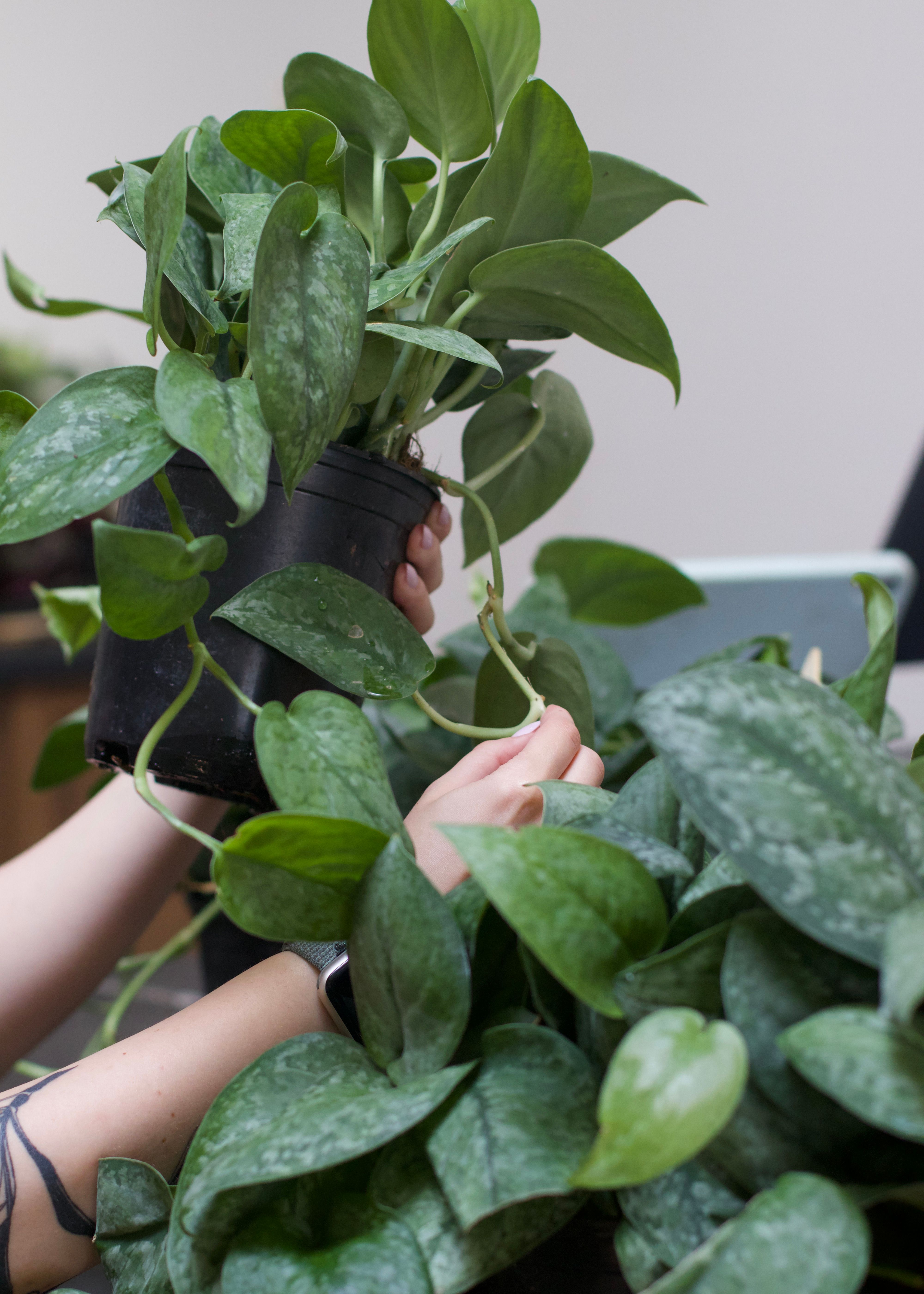
Taking a pair of shears to your favorite houseplant can feel scary, so why would you willingly snip off healthy stems?
It is one of the most common hurdles for plant parents, but the truth is, pruning isn't an act of destruction, it is an act of care. In nature, tropical plants are constantly pruned by wind, animal grazing, and fallen forest debris. Indoors, taking control of that process is essential to keeping your collection vibrant, full, and structurally sound. Here is why "chopping" your plants is actually the kindest thing you can do for them.
Why "Chopping" Isn't Cruel
When a plant grows a long, leggy vine or an overly tall stem, it isn't necessarily a sign of thriving health, it’s often a sign that the plant is stretching its limited resources thin. Every leaf requires a steady flow of water, energy, and nutrients sent all the way up from the root system.
When you prune a plant, you are doing a few vital things:
- Redirecting Energy: You remove the burden of maintaining tired, leggy growth, allowing the root system to redirect its full energy reserve toward building fresh, robust growth.
- Activating Sleeping Nodes: When you snip a stem, you cut off the plant's terminal bud (the main growing tip that produces a hormone called auxin). Auxin normally suppresses lateral growth. Once that tip is removed, "sleeping" dormant buds further down the stem wake up and start pushing out brand-new leaves.
- Improving Light Exposure: Trimming away dense, overlapping foliage opens up the canopy, letting sunlight reach the lower leaves and interior stems that were previously trapped in the shade.
When to Chop vs. When to Wait
Timing is everything when it comes to pruning. To get the best results without shocking your plant, follow this general seasonal checklist:
When to Chop:
- Spring & Summer: This is prime pruning season. Warm temperatures and long daylight hours mean your plant's metabolism is running at full speed, letting it recover and push out bushy new growth in record time.
- Top-Heavy or Leggy Growth: If a vine has dropped its lower leaves and now it looks long and bare, it’s time to chop.
- Disease or Pest Containment: If a specific leaf or section is heavily damaged by pests or showing signs of fungal spots, cut it off immediately to protect the rest of the plant.
When to Wait:
- Deep Winter: When plants enter their winter slow-down, their metabolic rate drops. A heavy chop during dark, cold months can shock the system, and it will take a bit longer to recover than it would in the warmer months.
- Immediately After Repotting: Moving a plant to a new pot causes mild transplant shock to the roots. Give the plant at least three to four weeks to settle into its new container before introducing the stress of a big chop.
- When the Plant is Actively Sick: If a plant is wilting from root rot or severe dehydration, do not do a cosmetic prune. Fix the root system and moisture levels first.
How to Propagate What You Cut
The best part about pruning? You don't have to throw away what you cut! Most houseplant cuttings can easily be turned into brand-new, independent plants.
- Find the Node: Look along the stem you just snipped for a small, brown bump or ridge, that's the node!
- Make a Clean Trim: Ensure your cutting has at least one node and one or two healthy leaves attached. Snip the stem about a half-inch below the node using clean, sanitized shears.
- Pop It in Water: Submerge the node in a jar of clean, room-temperature water while keeping the leaves dry. Place it in bright, indirect light.
- Watch the Roots Grow: Within a few weeks, especially during the summer, fresh white roots will emerge. Once those roots begin branching out with smaller secondary roots, you can plant them back into soil!Check out our blog, Propagation 101, to see a more in depth breakdown on how to do this properly.
The Big Benefits: Bushier, Healthier Growth
If you’ve ever wondered how plant shops get their Monsteras, Pothos, and Fiddles to look so dense, bushy, and full, pruning is the open secret.
Instead of letting a single vine trail until it becomes thin and sparse, regular pruning forces the plant to branch out into multiple growing points. A single cut on a trailing Philodendron can yield two or three new vines from the base, giving you a significantly lush, head-turning display.
Need Help Making the First Cut?
We know that the first snip can be intimidating. If you have a leggy plant at home and you're nervous about chopping it down yourself, bring it into the shop!
Stop by our Westerville or Dublin locations with your plant. Our team will happily walk you through where to make the cuts, help you harvest healthy cuttings to propagate, and show you exactly how to prune for maximum bushy growth.