Summer light is exactly what your houseplant collection needs to push out massive, split leaves and long, trailing vines. It provides the heavy dose of fuel tropical plants crave after months of slow growth.
But summer sun is also a double-edged sword. As the seasons shift, the light entering your home changes dramatically in intensity and duration. If you don't adjust your plants, that beautiful afternoon sun can quickly turn into a hazard. Here is how to understand summer light so you can maximize growth without risking leaf burn.
Why July Light Burns Leaves That Were Fine in May
It’s a common struggle, a plant that sat happily on a windowsill all spring suddenly develops bleached, crispy spots in mid-summer. Why does this happen? In the spring, the sun sits lower on the horizon, meaning its rays travel through more of the earth's atmosphere before reaching your window, which naturally diffuses the light. By July, the sun is high, direct, and incredibly intense. Furthermore, the days are significantly longer, meaning a leaf that used to handle two hours of mild morning sun is now baking in intense heat for four or five hours straight.
Reading Each Window Direction
To keep your plants safe, it is helpful to understand how summer shifts the light across different sides of your home.
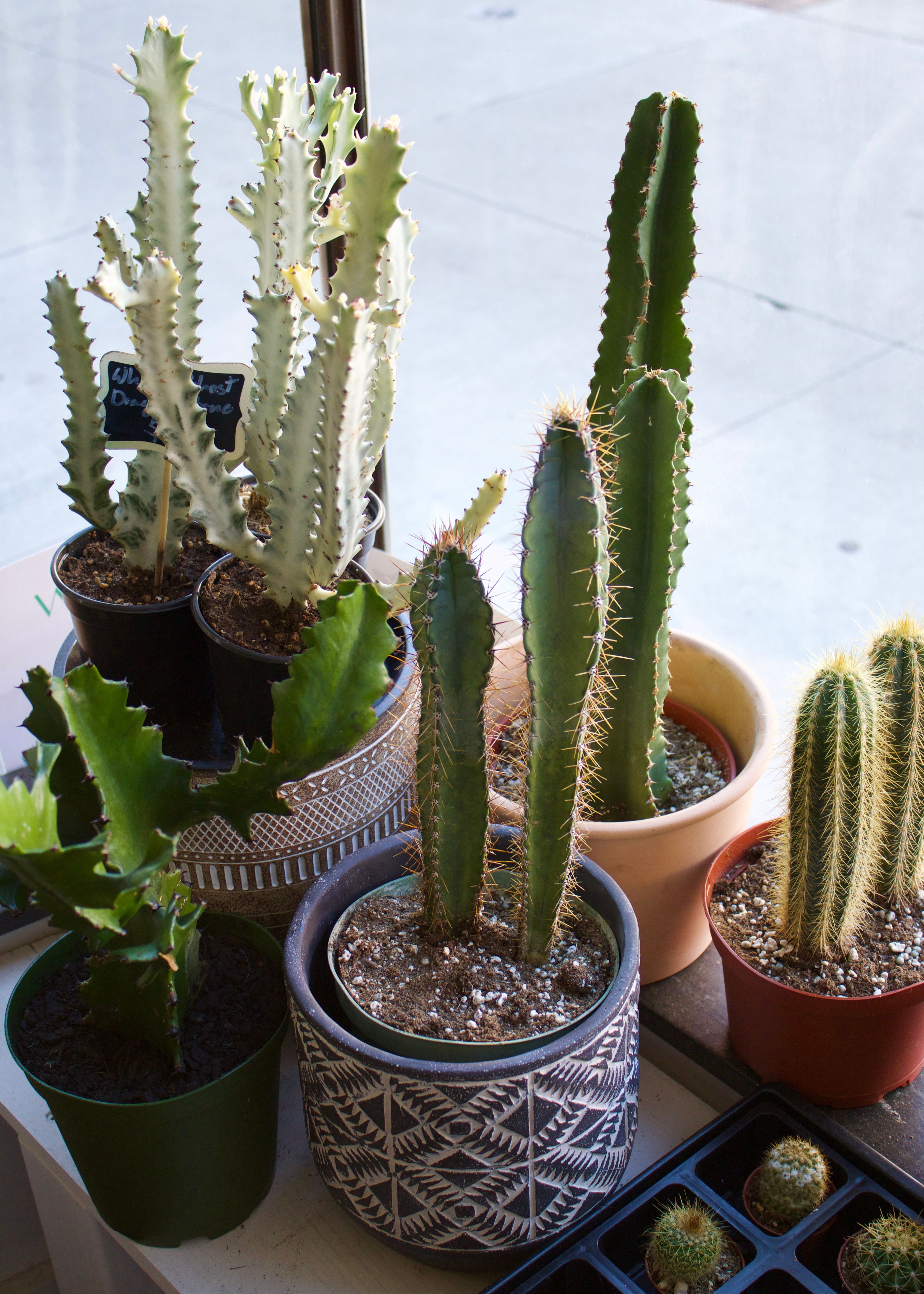
- South-Facing Windows: In the summer, these windows receive the most intense, direct sunlight of the day. It is perfect for desert cacti, agaves, and succulents, but too harsh for most thinner-leaved tropicals.
- West-Facing Windows: These windows catch the late afternoon sun when indoor temperatures are at their highest. The combination of direct light and trapped ambient heat makes this a prime location for accidental sunburn.
- East-Facing Windows: Gentle morning sun hits these windows before the day gets too hot. Most tropical plants, such as Monsteras, Pothos, and Philodendrons, absolutely thrive here in the summer.
- North-Facing Windows: These windows receive steady, ambient indirect light all day without any harsh direct rays. It is the safest spot for low-light plants like ZZ plants and Snake plants, though growth will be slower.
Signs of Too Much Sun
Plants can't move away from a window when they get uncomfortable, but they will give you clear visual cues if they are taking a beating:
- Bleached or Faded Foliage: Before a leaf burns completely, it will often lose its rich green color. If your plant looks washed out, pale, or yellowish-white on the side facing the window, it’s getting bleached by the sun.
- Crispy, Isolated Brown Patches: Unlike the brown edges caused by low humidity, sunburn appears as distinct, paper-dry brown or silver patches right in the center of the leaf where the sun hits directly.
- Curling and Drooping: To protect themselves from water loss under intense rays, many tropicals will curl their leaves inward or droop heavily, even if the soil underneath is still damp.
Easy Fixes: Sheer, Shift, and Rotate
A few quick adjustments will let them enjoy the light securely:
- The Sheer Curtain Trick: If you have a beautiful, sun-drenched South or West window that you want to utilize, hang a thin, sheer white curtain. This mimics the canopy of a rainforest, breaking up the harsh direct rays into the perfect bright, indirect light that tropicals love.
- The Two-Foot Shift: You don't have to move a plant to a completely different room. Simply pulling a sensitive plant two to three feet back from the glass can drastically reduce the thermal heat and light intensity hitting the leaves while still keeping them in a highly productive zone.
- The Regular Rotation: Plants naturally lean and grow toward the light source. Get into the habit of giving your pots a quarter-turn every time you water. This ensures even growth all the way around and prevents one side of the plant from taking all the sun stress.
Unsure if your favorite plant is in the heat zone? Bring a few quick photos of your windows and your collection into the shops. Our team can help you map out your home's lighting to ensure your indoor jungle gets all the benefits of the season without any of the burn.