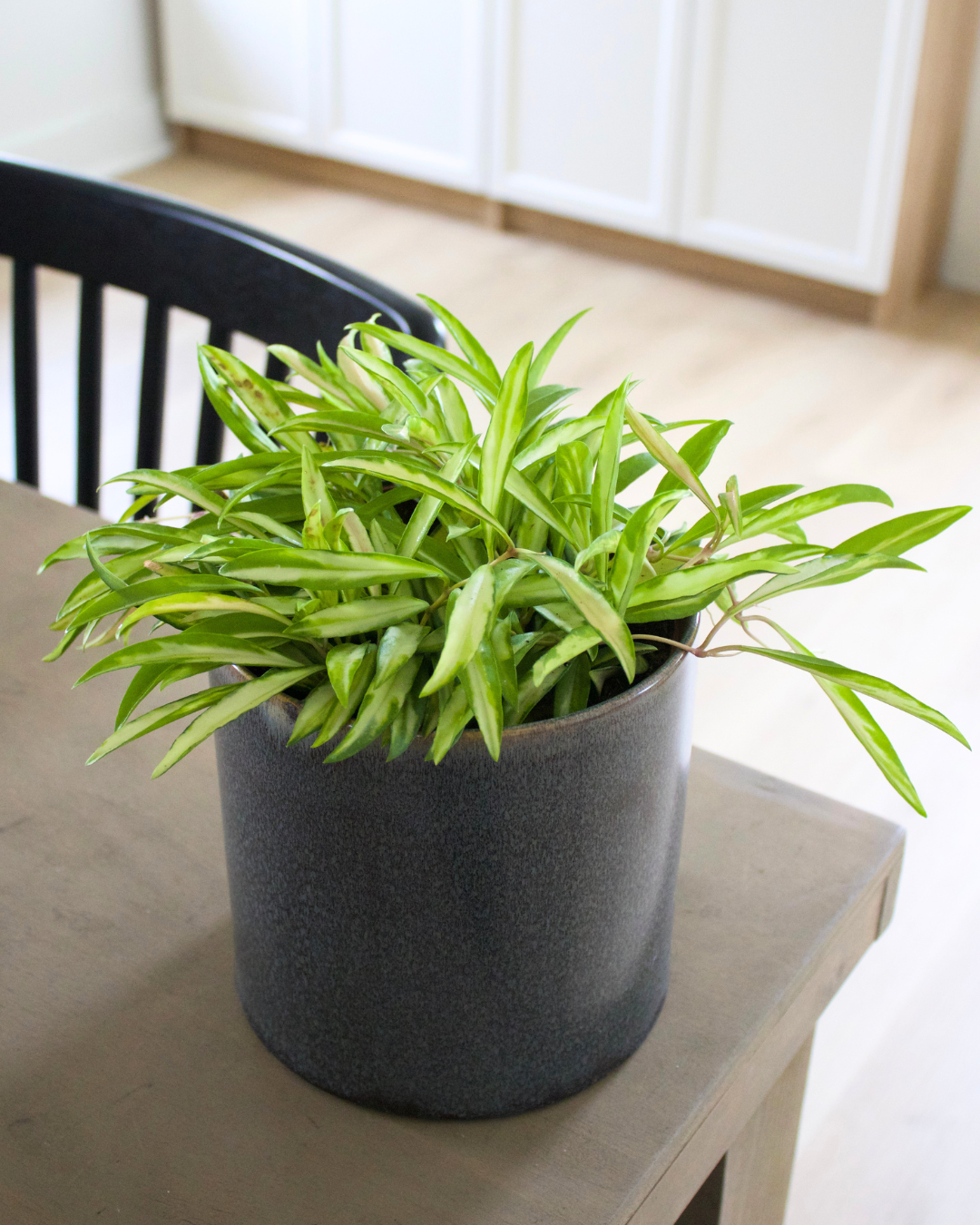
You picked out a stunning plant, bursting with fresh green growth. But within a week of bringing it into your living room, the leaves seem a little less upright, a lower leaf turns yellow, or it starts to droop just enough to make you question what you're doing.
Before you start convincing yourself that you lack a "green thumb," know you did not break your plant. What you’re seeing isn't instant failure, it is simply a living organism adapting to a completely new environment.
What Actually Changed
To understand why your plant is acting differently, it helps to realize where it spent its early life. Nurseries and plant shops are essentially paradise for tropical foliage. Moving from that setting into a home creates a noticeable environmental shift across four major factors:
- Light: Nurseries typically provide illumination from multiple directions for 10-12 hours a day. In a home, light comes from single-direction side windows, which are often shaded by trees, blinds, or outdoor awnings.
- Humidity: Plant shops and production greenhouses routinely sit between 50% and 80% relative humidity. Typical home air conditioning and winter heating drop indoor humidity down to 30%-40%.
- Airflow & Temperature: Shops maintain warm, stable temperatures with constant gentle circulation. Homes feature more drafts from doors opening, AC vents, and fluctuating room temperatures.
- Water Consumption Rates: Because plants process water slower in lower light and humidity, a pot that dried out in three days at the shop might take seven to ten days to dry out on your side table.
Normal Acclimation Signs vs. Real Alarm Signs
It is completely normal for a plant to react during its first few weeks. Knowing what is expected versus what requires immediate attention will save you from over-correcting.
Normal Acclimation Signs:
- Yellowing or dropping of 1 or 2 lowest, oldest leaves.
- Slight loss of foliage sheen or minor drooping on days 1-3.
- Temporary pause in new leaf production.
- Stems gently bending toward the nearest window.
Real Alarm Signs (Action Needed):
- Sudden, widespread leaf loss across the whole plant
- Black, mushy stems near the soil line (Rot).
- Stems going completely limp while soil is soaking wet.
- Fine webbing, sticky residue, or cotton-like spots (Pests).
The Golden Rule: Pick a Spot and Leave It Alone
When a plant looks slightly sad, the most common instinct is to fuss over it: moving it from the coffee table to the window, then to the bathroom for humidity, then out to the porch for fresh air. Resist the urge to move your plant every few days!
Bouncing a plant around every 48 hours causes significantly more stress than being in a slightly imperfect spot. Pick a bright location with good ambient light, place the plant there, and let it rest for at least two to three weeks so it can stabilize.
The Adjustment Timeline
Here is what a healthy adjustment period typically looks like from the day you bring home your new addition:
- Week 1 (The Transition): Plant reacts to lower humidity and new light angles. Soil stays damp longer than expected. Focus: Check soil moisture, avoid repotting, keep in a stable spot.
- Week 2 (Settling In): Oldest lower leaf may turn yellow as the plant reallocates energy. Focus: Water only when soil needs it, not on a schedule.
- Week 3-4 (Acclimated!): Roots adjust to the home's moisture rhythm. Stems reach predictably toward the light source. Focus: Plant is now stable and ready for routine care or repotting if needed.
When Should You Actually Worry?
You only need to step in if you notice structural decline that goes beyond simple transition stress:
- Foul Smells or Soft Stems: If the base of the plant feels squishy or smells sour, the roots are rotting from overwatering.
- Active Pests: If you see physical insects or webbing, isolate the plant immediately and treat the foliage.
- Soil That Stays Wet Past 3 Weeks: If the potting mix remains heavy and soaking wet after nearly a month, the root zone lacks aeration and needs a chunkier soil blend.
Need a Second Opinion on Your New Plant?
If your new arrival looks a little worse for wear and you aren't sure whether it's normal adjustment or something more, we are here to help!
Grab your plant, or snap a quick photo of the foliage and the pot, then stop by our Westerville or Dublin shops. Show us what you're seeing, and our team will help you diagnose the issue and get your green friend settled in smoothly.