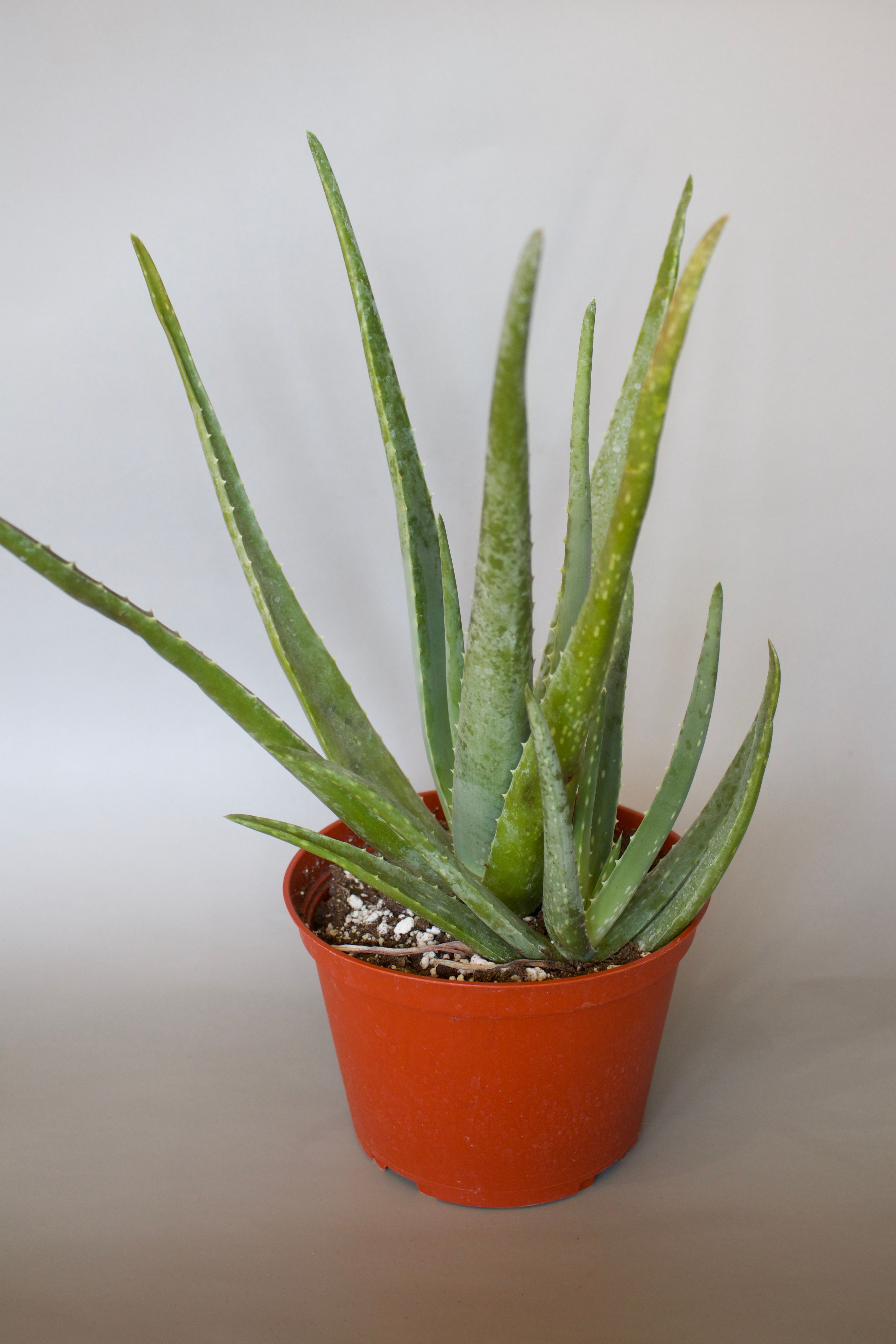
Agaves and Aloes are the architectural stars of the succulent world. While they are often grouped together due to their striking rosettes and prickly leaves, they each bring their own unique personality to your home. Agaves are known for their sharp leaves and incredible symmetry, while Aloes, especially the famous Aloe Vera, are beloved for their soothing elements, big leaves. Both are native to arid regions, making them the perfect low-maintenance plants for your sunniest windowsills.
At Over Grown, we love these plants for their beauty and resilience. They are the ultimate "set it and forget it" plants for those who have plenty of sun and a tendency to forget the watering can.
Agave & Aloe Lighting
Coming from sun-drenched areas, both Agaves and Aloes are absolute sun-seekers that require high-intensity light to maintain their shape and health.
- Ideal light conditions: Bright, direct light is essential. These plants should be placed in your sunniest window, south or west-facing is ideal, where they can soak up at least 6 to 8 hours of sun daily.
- Outdoor transition: Both plants love spending the summer outdoors on a porch or patio. Just be sure to move them into the sun gradually to avoid sunburn on their leaves.
- Avoid: Low-light areas or interior rooms. In low light, Aloes will become "leggy" and pale, while Agaves may lose their tight, symmetrical form and eventually weaken.
- Signs of improper light: If your Aloe is drooping or its leaves are becoming thin and stretching toward the window, it needs more light. If an Agave develops bleached or brown patches, it may have been moved into intense sun too quickly.
Agave & Aloe Watering
The golden rule for these desert plants is: when in doubt, don't water. They are built to store water in their thick leaves and can survive long periods of drought.
- How often to water: Water thoroughly only when the soil is 100% dry from top to bottom. For many homes, this may only be every 3 to 4 weeks in the summer, and even less frequently in the winter.
- The "Soak and Dry" method: When you do water, drench the soil until water runs out the drainage hole, then let it dry out completely.
- Avoid: Frequent small sips of water or letting the plant sit in a saucer of standing water. Excess moisture is the fastest way to cause root rot, which is often fatal for succulent type plants.
- Signs of improper watering: Mushy, darkened leaf bases are a sign of overwatering. On the other hand, if the leaves of your Aloe look thin, puckered, or shriveled, it’s likely ready for a drink.
Agave & Aloe Soil and Fertilization
Standard potting soil holds far too much moisture for these plants. They need a gritty, sandy medium that drains almost instantly.
- Potting medium: A specialized cactus and succulent mix is a must. Our go-to in-store recommendation is Rosy Soil’s Succulent and Cactus mix, which provides them with the perfect texture. Check out our blog ‘All About Rosy’ for more.
- Fertilizing: These are slow growers and don't require much food. You can apply a balanced liquid fertilizer at half-strength once or twice during the spring and summer growing season.
Agave & Aloe Humidity & Leaf Care
As desert plants, these plants prefer dry air and have no need for misting or extra humidity.
- Humidity: They thrive in the dry air of a typical home. Avoid keeping them in high-humidity areas like bathrooms.
- Leaf care: Dust can settle on the broad leaves. Use a soft, dry cloth to wipe Aloe leaves. For prickly Agaves, a soft paintbrush is a great tool for removing dust without getting poked!
Agave & Aloe Pests and Treatment
While they are generally pest-resistant, they can occasionally be targeted by a few common succulent pests.
- Common Pests: Watch for Mealybugs (white, cottony spots) tucked into the center of the rosettes, or Scale on the undersides of the leaves.
- Treatment: For Mealybugs, use a cotton swab dipped in rubbing alcohol to dab them away. For a more widespread issue, our Plant Protect Spray is effective for treating and deterring pests. For more help, visit our blog ‘Identifying & Treating Houseplant Pests.’
Agaves and Aloes are tough, but they will let you know if their environment needs a tweak.
Brown, Crispy Tips
- Causes: Usually a sign of underwatering or, in the case of Aloes, a reaction to the minerals in tap water.
- Solutions: Ensure you are soaking the soil completely when you water. If the problem persists, try using distilled water.
The Plant is Leaning or Falling Over
- Causes: The plant is likely stretching for more light or has developed root rot from staying too wet.
- Solutions: Check the soil moisture. If it’s dry, move the plant to a sunnier spot. If the soil is soggy and the base is soft, you may need to repot into fresh, dry soil and trim away any damaged roots.
Aloe Leaves Turning Orange or Red
- Causes: This is often a sign of sun stress - a natural reaction to high light or heat.
- Solutions: Unless the leaves are shriveling, this isn't necessarily a bad thing! However, if you prefer the green look, move the plant slightly further back from the window.
How to keep your desert stars thriving:
- Lighting: Give them the sunniest spot you have, they love direct sun!
- Watering: Wait for the soil to be completely dry before watering thoroughly.
- Drainage: Use a gritty, fast-draining soil and a pot with a drainage hole.
Stop by the shop to see our collection of Agaves and Aloes and let our team help you find the perfect low-maintenance piece for your home.
We hope this guide helps your Agaves and Aloes stay sharp and healthy! For more expert advice and community updates, sign up for our newsletter below.