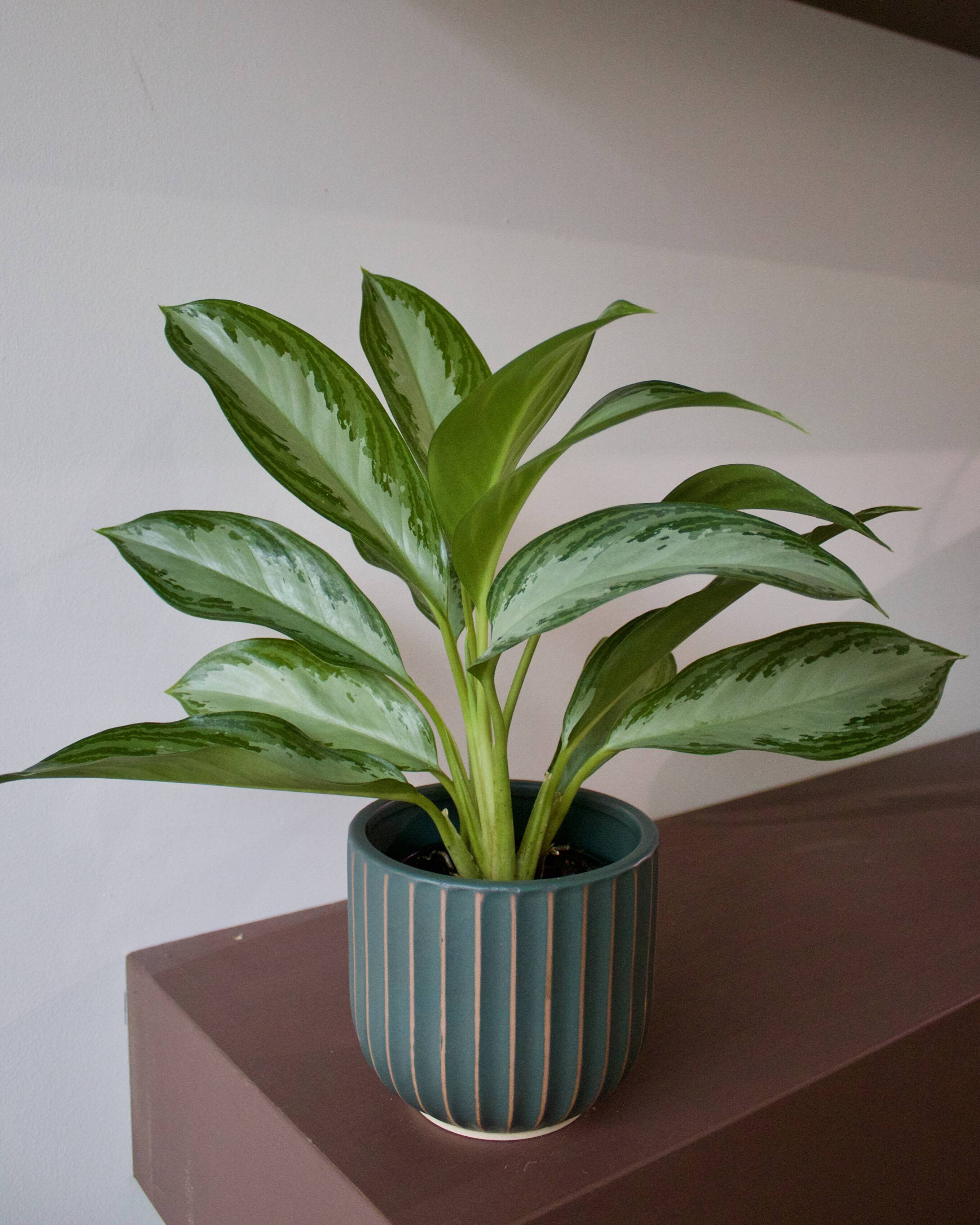
Aglaonema plants, commonly known as Chinese Evergreens, are incredibly versatile and visually stunning additions to any indoor plant collection. They are loved for their vibrant, often variegated foliage, which comes in striking patterns of silver, pink, red, and deep green. Aglaonemas are generally very forgiving, making them a fantastic choice for beginners.
At Over Grown, we believe that these colorful beauties deserve a spot in every home. They are highly adaptable to indoor environments, but giving them the right foundational care will ensure their colors pop and their leaves stay beautiful!
Aglaonema Lighting
Aglaonemas are famously tolerant of lower light, but their vibrant colors show best in medium light conditions.
- Ideal light conditions: Medium to bright, indirect light. An east-facing window is perfect, or a position a few feet away from a south or west window.
- The colors: Varieties with darker green leaves can handle lower light better. Varieties with pink, red, or white variegation usually require brighter light to maintain their vivid colors.
- Avoid: Direct, intense sunlight will quickly scorch and bleach the leaves, especially the lighter variegated sections. Deep low light will cause pale growth and slower decline.
- Signs of improper light: Faded or washed-out colors indicate too much light. Long, weak stems indicate too little light.
Aglaonema Watering
Consistent, moderate watering is key for Aglaonemas; they do not like to be completely dried out, but also don’t want to be over-watered.
- How often to water: Water thoroughly until it drains from the bottom. Then, allow the top third of the soil to dry out before watering again.
- Check the soil: The frequency will depend on the light and temperature. Check the soil with your finger to know if it needs watered or not.
- Avoid: Allowing the soil to become completely bone-dry for extended periods, or conversely, letting the plant sit in standing water, which causes root rot.
Aglaonema Soil and Fertilization
A good soil blend that balances drainage and moisture retention is necessary for a healthy root system.
- Potting medium: A well-draining, airy mix that retains some moisture is essential. A standard indoor potting mix is suitable, but we use and recommend Rosy Soil's Houseplant, which can be found in-stores. Check out our blog 'All About Rosy' to learn more about Rosy Soil.
- Fertilizing: During the growing season (spring and summer), you can apply a diluted, balanced liquid fertilizer around every 4 weeks. You can reduce fertilization during fall and winter. For a simple way to feed your plant, check out our liquid fertilizer drops. They're available in-store and are perfect for consistent, healthy growth.
Aglaonema Humidity & Leaf Care
Aglaonemas enjoy high humidity but are quite adaptable to average household levels, making them excellent indoor choices.
- Methods to increase humidity: While they tolerate lower humidity, boosting it with a nearby humidifier will help prevent brown leaf tips.
- Clean the foliage: Their leaves can accumulate dust, which hinders light absorption. Gently wipe down the leaves with a damp, soft cloth every few weeks.
Aglaonema Pests and Treatment
Aglaonemas are fairly resilient, but like all houseplants, they can occasionally attract pests.
- Common Pests: Look out for Mealybugs (white, cottony masses in leaf joints) and Look out for Spider Mites (fine webbing and tiny speckles on leaves) and Scale (small, immobile brown or yellow bumps often found on stems or under leaves).
- Treatment: For all pests, isolate the plant immediately. Wipe down all leaves and stems with a damp cloth. For Scale and Mealybugs, you can dab them directly with a cotton swab dipped in rubbing alcohol. Follow this up with our Plant Protect Spray, to get anything that was missed. For Spider Mites, we recommend using our Plant Protect Spray as well. For more on pest identification and treatment, visit our blog, ‘Identifying & Treating Houseplant Pests.’
Aglaonemas are generally low-fuss, but they will give you clear signals if something is wrong.
Yellowing Lower Leaves
- Causes: Most commonly caused by overwatering (the soil stays too wet for too long) or sometimes simply normal older leaf shedding.
- Solutions: Check the soil. If it’s soggy, reduce watering frequency and ensure the plant is getting adequate light. If only the bottom-most leaves are yellowing, the plant is likely diverting energy to new growth and the problem is minimal.
Brown, Crispy Leaf Edges/Tips
- Causes: Underwatering (allowing the soil to dry out too much) or low humidity (especially during winter).
- Solutions: Commit to a more consistent watering schedule, keeping the top third of the soil moist. Consider boosting humidity with a pebble tray or humidifier.
Soft, Mushy Stems or Drooping
- Causes: Advanced signs of root rot due to chronic overwatering.
- Solutions: This requires immediate attention. Stop watering and check the roots. If the roots are black and mushy, trim them away and repot the plant into fresh, well-draining soil.
Key recommendations for new Aglaonema owners:
- Lighting: Medium, indirect light is best, especially for colorful varieties.
- Watering: Allow the top third of the soil to dry out between waterings.
- Temperature: Keep it warm and avoid cold drafts.
As always, our in-store employees are available to provide personalized guidance and assistance with your plant care questions.
We hope this guide helps your Aglaonemas thrive and fill your home! If you're looking for more expert advice, exclusive content, and a community of fellow plant lovers, be sure to sign up for our newsletter below.