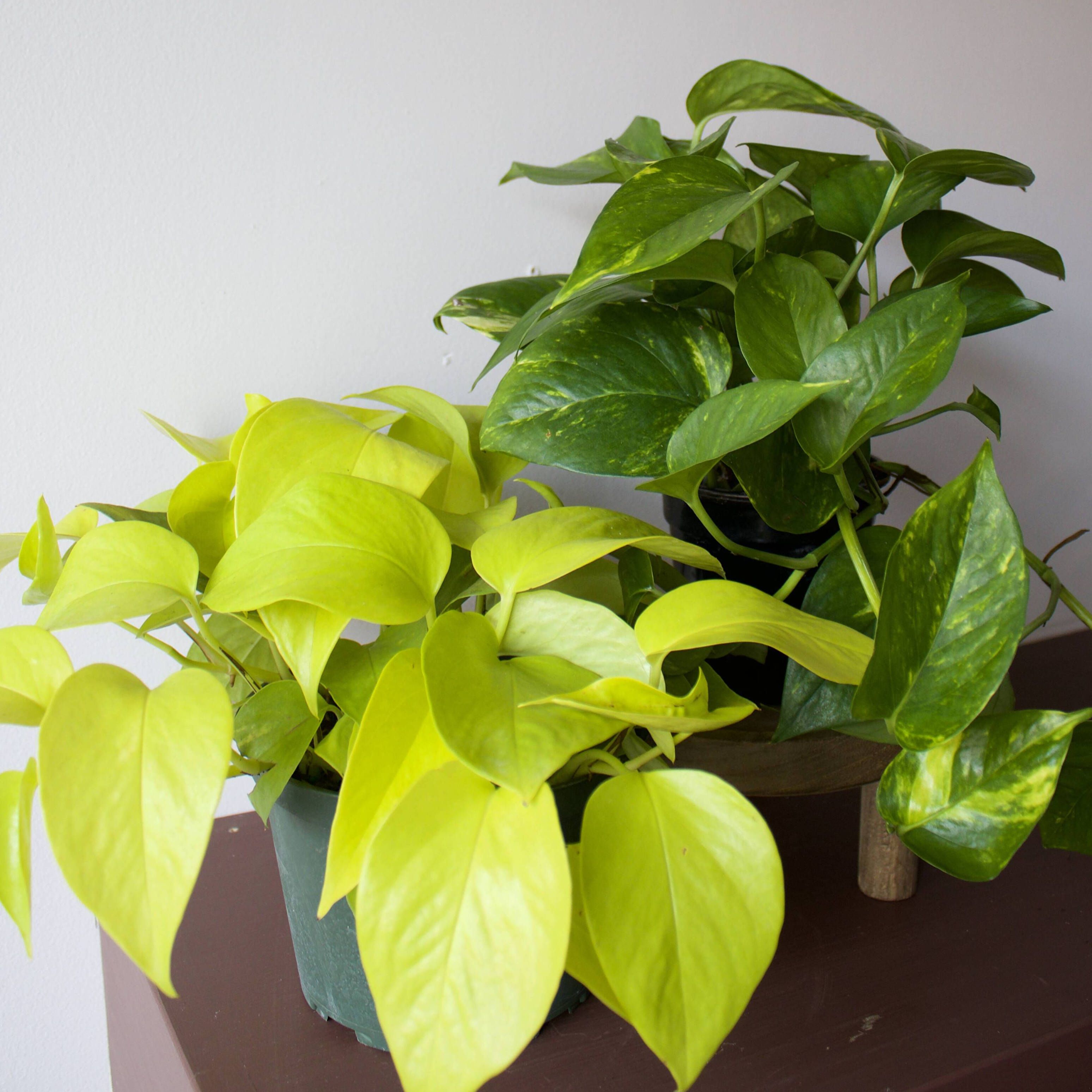
Pothos and Epipremnum are very loved houseplants, known for their trailing vines and "unkillable" reputation. While most people know them simply as Pothos, they all belong to the genus Epipremnum. These plants are essential for all collections, perfectly suited for trailing off high shelves or even climbing up a moss pole.
At Over Grown, we consider these the perfect option for any plant parent. They are incredibly communicative and resilient, but a few simple care adjustments will transform them from just surviving to truly thriving.
Pothos Lighting
These are often known for their ability to tolerate lower light, though they certainly have a preference for brighter spots to reach their full potential.
- Ideal light conditions: Bright, indirect light is best for the growth most people want. An east-facing window or a spot near a south-facing window with a sheer curtain is ideal.
- The varieties: For highly variegated types like 'N'Joy,' 'Marble Queen,' or 'Snow Queen,' brighter light is necessary to maintain those white patches. Without enough light, the plant may revert to solid green to better absorb energy.
- Avoid: Harsh, direct afternoon sun can burn the leaves, leaving permanent brown marks. While they can survive in low light, they will grow slower and the leaves will grow smaller.
- Signs of improper light: Long gaps between leaves (legginess) mean the plant is reaching for more sun. If the leaves look pale or "bleached," it’s likely getting too much direct exposure.
Pothos Watering
These plants are excellent at telling you exactly when they are thirsty, making them great for beginners who are still learning to read plant signals.
- How often to water: Water thoroughly when the top half of the soil feels dry. You will notice the leaves start to look a little limp or curl in slightly when they are ready for a drink.
- Check the soil: Use your finger to test the moisture. If the soil is still damp to the touch, wait a few more days. When you do water, water it all the way through. Avoid small bits of water at a time.
- Avoid: Overwatering is the most common mistake. If the soil stays soggy for too long, the roots can't breathe, leading to yellowing leaves and potential root rot.
Pothos Soil and Fertilization
Because these vines can grow several feet in a single season, they need a soil base that supports that high-energy growth.
- Potting medium: A chunky, well-draining mix is key. We use and recommend Rosy Soil’s Houseplant mix, which is available in-store. It provides the drainage they need while holding just enough moisture. For more on why we love it, see our blog “All About Rosy.”
- Fertilizing: During the spring and summer, feed your plant every 4 weeks with a balanced liquid fertilizer. Our in-store liquid fertilizer drops are a simple way to ensure your plants get the nutrients they need for those long, lush vines.
Pothos Humidity & Leaf Care
While these plants are very adaptable to standard home humidity, they will always appreciate a little extra pampering to mimic a more tropical environment.
- Methods to increase humidity: While they aren't as demanding as other humidity loving plants, a nearby humidifier can help the leaves grow larger and more vibrant. For more humidity tips, check out our blog, “Humidity 101”.
- Clean the foliage: Dust can settle on the their broad leaves, hindering photosynthesis. Wipe them down with a soft, damp cloth every few weeks to keep them shiny and healthy.
Pothos Pests and Treatment
Pothos are generally not pest magnets, but they can occasionally encounter a few common issues when stressed.
- Common Pests: Watch for Mealybugs in the nodes (where the leaf meets the stem) or Spider Mites if the plant is kept in a very dry, dusty spot.
- Treatment: Isolate your plant and wipe down the leaves. We recommend a thorough application of our Plant Protect Spray to eliminate any pests and their eggs. For a deeper dive into pest control, visit our blog “Identifying & Treating Houseplant Pests.”
Even these hardy plants can have an "off" day if their environment is off-balance.
Yellow Leaves
- Causes: If it’s just one or two near the soil, it’s likely an old leaf reaching the end of its life. If many leaves turn yellow at once, it usually indicates overwatering or poor drainage.
- Solutions: Check the soil moisture. If it’s wet, let it dry out completely before watering again and ensure your pot has drainage holes.
Brown, Crispy Tips or Edges
- Causes: This is typically a sign of underwatering or very low humidity, especially during the winter months.
- Solutions: Trim the crispy bits if they bother you, and try to be more consistent with your watering.
Small Leaves at the End of Long Vines
- Causes: As vines grow further away from the light and the root system, the new leaves often get smaller. In the wild, they only get large when they climb upward.
- Solutions: To get larger leaves, try providing a moss pole for the plant to climb. You can also prune the vine and plant the rooted cuttings back into the top of the pot for a fuller, more rejuvenated look.
Key recommendations for your trailing vines:
- Lighting: Bright, indirect light is the gold standard for lush, variegated growth.
- Watering: Wait until the top half of the soil is dry before watering thoroughly.
- Maintenance: Regular pruning keeps the plant full and prevents thin, leggy trails.
Stop by the shop to see our current favorite varieties or to chat with our team about your propagation projects. We hope this guide gives you the confidence to grow your Pothos and Epipremnum to their full potential!
We can't wait to see your vines grow! For more plant care guides and community updates, sign up for our newsletter below.