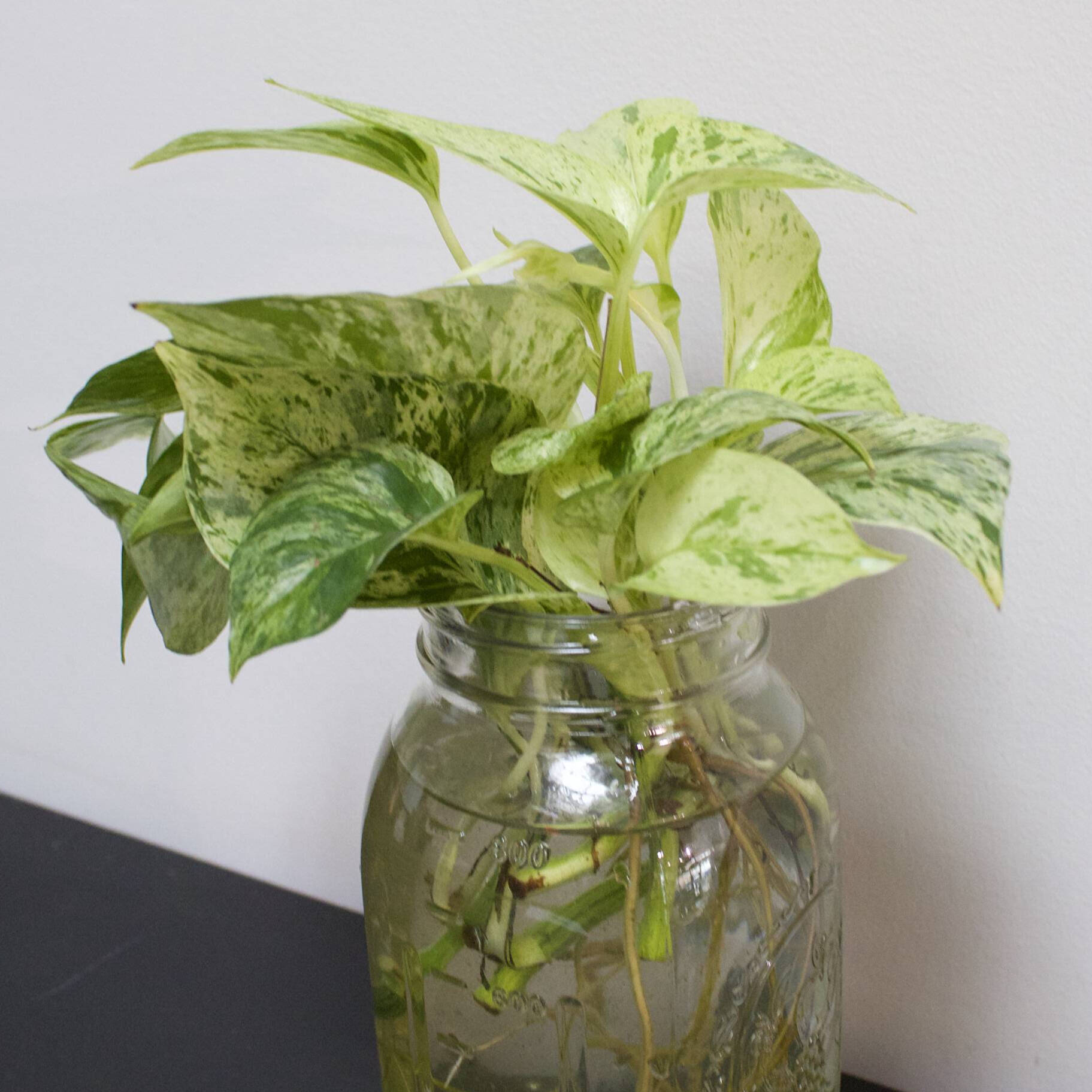
Let’s be real for a second: every single "pro" plant parent you see with a shelf full of thriving baby plants has a "graveyard" of failed cuttings in their past. If you’ve ever put a cutting in water only to watch it turn into a mushy, brown mess, don't worry, you haven't failed; you've just started your propagation education!
Propagation is a science, and like any experiment, things can go wrong. The good news is that most houseplant propagation issues are easy to identify once you know what to look for. Let’s break down the most common mistakes and how to fix them so you can boost your success rate.
1. Cutting in the Wrong Spot: No Node
This is the #1 reason cuttings fail to root. If you snip just a leaf or a piece of stem between the "bumps," the plant doesn't have the cells required to create roots.
- Identify: The cutting stays green for weeks but never sprouts a single root.
- The Fix: Ensure your cutting includes a node. Look for the point where a leaf meets the stem.
2. Water Levels: Too Much or Too Little
For water propagation, you only need to submerge the node. For soil, the medium needs to be damp but not soaking wet.
- Identify: Yellowing stems or a "dried out" appearance.
- The Fix: Keep the node submerged in water, but keep the leaves out of the water to prevent rot.
3. Lighting Issues
Cuttings need energy to grow roots, but direct, scorching sun will burn a fragile cutting before it has a chance.
- Identify: Pale, washed-out leaves or "stretching" (leggy) stems.
- The Fix: Move your prop to bright, indirect light. Think near a window, but not in the sun's direct path.
4. Dirty Water or Tools
Bacteria is the enemy of a fresh cut. Using rusty scissors or letting the water get "slimy" is a recipe for rot.
- Identify: Smelly water or a slippery, brown film on the stem.
- The Fix: Sterilize your shears with rubbing alcohol before cutting and change your prop water when needed.
5. Wrong Season
Plants slow down in the winter. Cuttings taken in December will take a little longer to root than those taken in May.
- Identify: Extremely slow progress during cold months.
- The Fix: Use a heat mat to simulate spring, or wait until the growing season to take your cuttings.
6. Giving Up Too Early
Some plants, like ZZ plants or Snake Plants, can take months to show roots.
- Identify: You're tempted to toss the cutting because "nothing is happening."
- The Fix: If the stem is firm and the leaf is green, the plant is still working! Give it time.
7. Skipping Rooting Hormone (When Needed)
While Pothos don't need help, woodier plants like Rubber Trees or Fiddle Leaf Figs often do.
- Identify: Hardwood cuttings that refuse to "callous" or root.
- The Fix: Dip the fresh cut in rooting hormone powder before placing it in your medium.
8. Wrong Plant Choice
Some plants simply cannot be propagated via stem cuttings (like most Ferns or Peace Lilies, which require division).
- Identify: Researching the plant reveals it doesn't have nodes.
- The Fix: Check our blog, plant propagation for beginners to see which method your specific plant requires.
9. Moving the Cutting Too Much
"Checking" for roots by pulling the cutting out of the soil or water every day can damage the microscopic root hairs that are just beginning to form.
- Identify: New roots that seem to "disappear" or turn brown.
- The Fix: Patience! Use glass vessels so you can see progress without touching the plant.
10. Transplanting at the Wrong Time
Moving a cutting to soil when the roots are only a quarter-inch long is a common trap. Conversely, leaving it in water for a year makes the transition to soil very difficult.
- Identify: Plant wilts immediately after moving to soil.
- The Fix: Wait until the roots are 2–3 inches long (and have branched out with secondary roots) before potting.
Even with perfect conditions, not every cutting will make it. A 70-80% success rate is fantastic! Don't be discouraged by a few brown stems; it’s all part of the process. If the stem feels mushy, smells bad, or has turned black all the way to the top, it’s time to say goodbye. Clean your vessel thoroughly and try again with a fresh cutting!
Struggling with a specific cutting? Join our monthly plant swap to talk about additional care techniques and get some hands-on advice from the community! As always, our in-store employees are also available to provide personalized guidance and assistance with your plant questions. If you're looking for more expert advice, exclusive content, and a community of fellow plant lovers, be sure to sign up for our newsletter below!