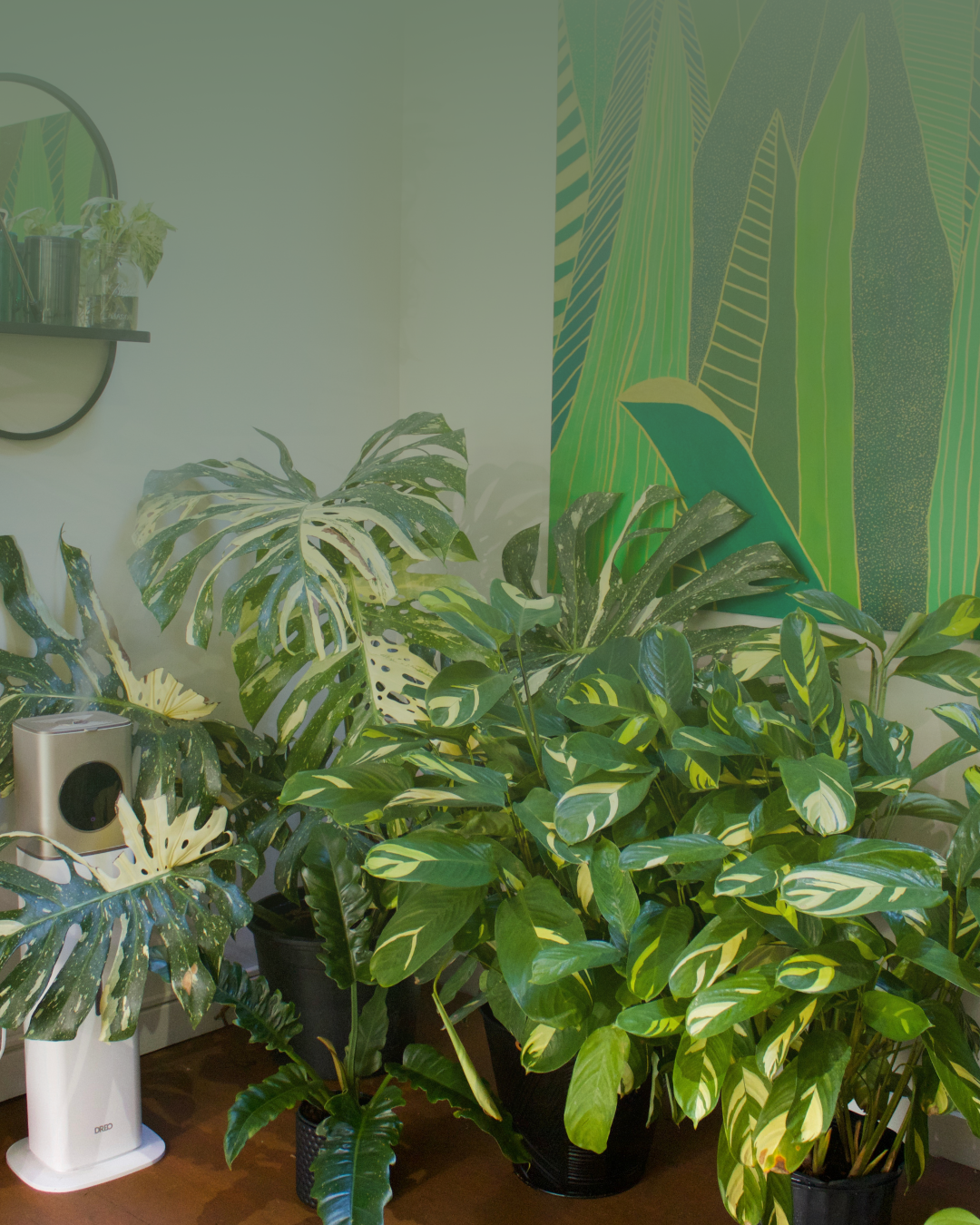
Let’s be honest: Ohio winters are tough on everyone, but they are especially brutal for our indoor tropical friends. While we’re bundled up in flannels and sipping local coffee, our plants are dealing with a climate that feels less like a rainforest and more like a desert tundra.
If you've been wondering how to keep houseplants alive during a Columbus winter, you aren't alone. Between the gray skies and the furnace working overtime, our homes become a challenging environment. Understanding winter plant care in Columbus, Ohio is the secret to making sure your collection doesn't just survive until April, but actually thrives.
In the Midwest, the change in season brings a specific set of hurdles. Here is what is likely stressing your plants out right now:
- Dry furnace air: When the heat kicks on, humidity levels in Columbus homes often drop below 20%. This literally sucks the moisture out of tropical leaves.
- Temperature fluctuations: Ohio weather and temperature can bounce back and forth pretty dramatically. Plants crave stability!
- Reduced light: With shorter days and our infamous "gray" Ohio skies, your plants are getting significantly less "food" via photosynthesis.
- Overwatering in dormancy: Most plants slow down their growth in winter. If you keep watering them on your summer schedule, you may overwater and cause root rot.
- Cold drafts: Older homes may have those drafty window sills and can "freeze" a plant's cells overnight.
Combat the Dry Air
Moisture is key for most tropical plants. Group your plants together to create a microclimate, use pebble trays, or invest in a high-quality humidifier. If you have sensitive tropical plants in winter, like Calatheas or Alocasias, this is essential. Visit our previous blog, Humidity 101, to learn more on why this is so important and what methods you can incorporate to keep your moisture levels up for your plants.
Manage the Light Gap
If your plants are stretching or losing variegation, they need more sun. Move them closer to South or West-facing windows, but ensure they aren't touching the cold glass. If our Ohio clouds are too thick, consider adding a full-spectrum grow light to supplement.
Adjust Your Watering Routine
Before you grab the watering can, use the "finger test." Stick your finger two inches into the soil; if it’s still damp, wait! In the winter, many plants won't dry out as often as they do in the summer, therefore not needing watered as often.
- The living room: Keep plants away from the fireplace or direct heater vents. This is the best spot for your large floor plants.
- The kitchen: Often the warmest room in the house. A great spot for plants as long as there's some windows.
- The bathroom: The ultimate winter sanctuary. The humidity from your shower makes it the perfect "winter spa" for high humidity loving plants. Also make sure they get adequate lighting if you choose this as a spot for your plants.
- November: Move plants away from drafty windows; check for pests before they settle in for the season. For more on pest identification and treatment, visit our blog, ‘Identifying & Treating Houseplant Pests.’
- December: Reduce watering frequency, stop fertilizing as plants enter dormancy.
- January: Clean the dust off leaves with a damp cloth so they can soak up every bit of limited sunlight.
- February: Rotate your plants occasionally to ensure even light distribution and prevent stretching in one direction and leaning.
Q. Should I repot my plants in the winter?
A. Generally, it’s best to wait until spring time, when the plant has the energy to recover from the stress of a move. Only repot if completely necessary.
Q. Why are my plant's leaves turning yellow?
In winter, this is usually a sign of overwatering. Because the soil stays wet longer in cold weather, the roots can't breathe. Try checking soil moisture and reducing watering if needed.
Q. Is it okay to fertilize?
Most houseplants in cold weather don't need fertilizer. Since they aren't actively growing new leaves, the minerals can build up in the soil and burn the roots. Wait until you see new growth in the spring.
Surviving an Ohio winter with a plant collection might seem challenging. By adjusting your routine and keeping a close eye on your plants, you'll be rewarded with a lush, vibrant home all year round.
As always, our in-store employees are available to provide personalized guidance and assistance with your plant care questions. If you're looking for more expert advice, exclusive content, and a community of fellow plant lovers, be sure to sign up for our newsletter below!