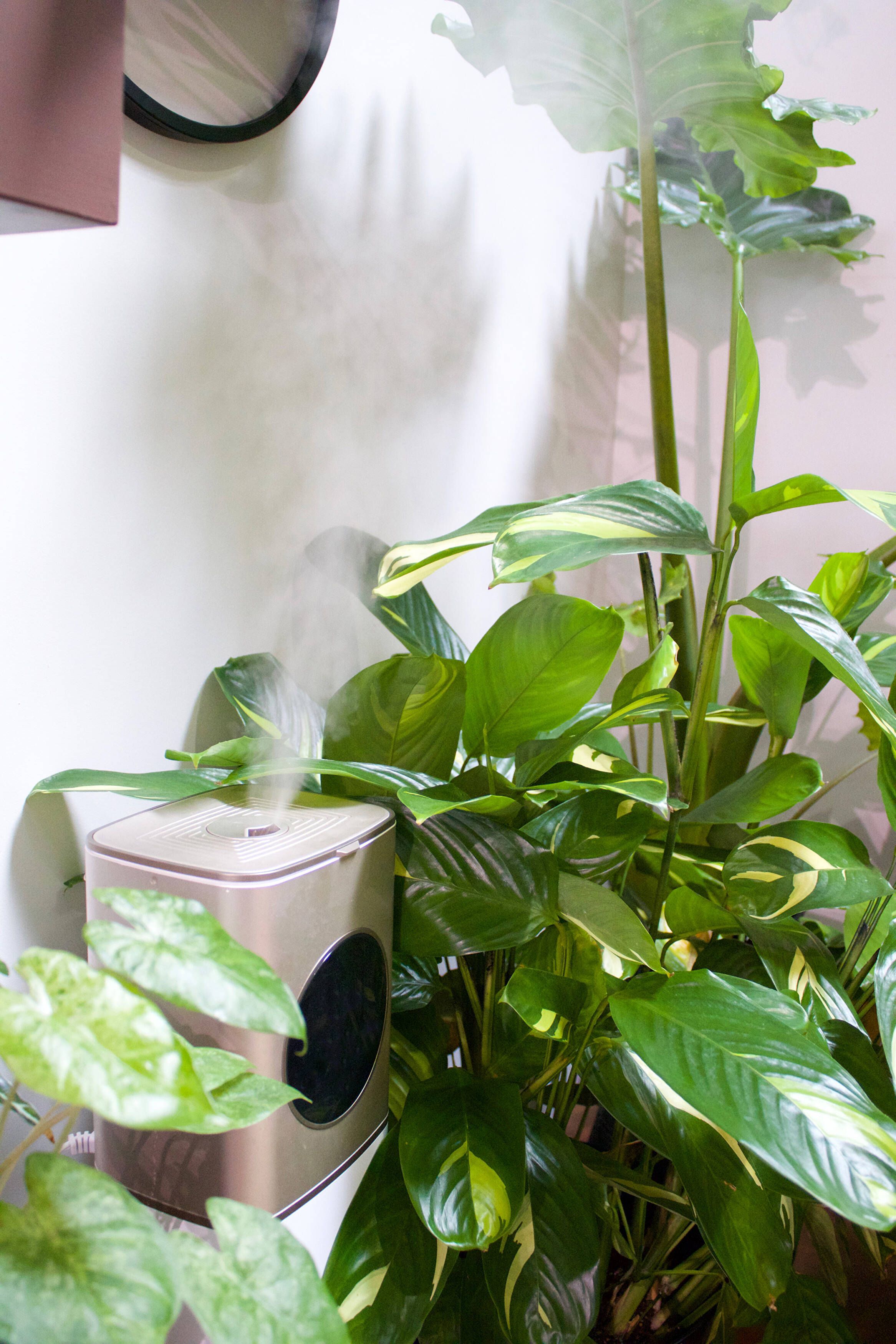
Ever wonder why your tropical beauties look crispy around the edges despite your perfect watering schedule? The culprit is likely dry air. If you want to master how to increase humidity for houseplants, you’ve come to the right place. Let’s dive into why moisture in the air is just as important as moisture in the soil. Tropical plants are native to rainforests where the air is thick with moisture. In our homes, especially during winter when the heater is blasting, the air becomes a desert. Plants "breathe" through tiny pores called stomata. As they breathe, they lose water to the air (a process called transpiration). If the air is too dry, the plant loses water faster than its roots can drink it up. The result? Those dreaded brown, crunchy leaf tips.
Don’t guess, measure it! The best tool for this is a hygrometer. These are inexpensive digital devices that give you a real-time percentage of the moisture in your home.
- The goal: Most tropical plants thrive in 50% to 70% humidity.
- The reality: Average homes often dip below 20% in the winter.
If you're dealing with dry air, here are the most effective ways to fix it:
- Plant grouping: Plants naturally release moisture through their leaves. By huddling your plants together, you create a localized "microclimate" where the collective transpiration keeps the air more humid for the whole group.
- Humidifiers: There are many types of humidifiers ranging in different sizes and intensities. You can choose which is best for your collection and your space! Place it near your plants that need the extra humidity, such as, calatheas, alocasias, etc.
- The bathroom strategy: If you have a window in your bathroom, it is the perfect spot for your humidity loving plants. The steam from your daily shower provides a free, high-humidity boost!
- Terrariums: For small plants that require high humidity, a closed glass vessel acts like a miniature greenhouse, recycling moisture indefinitely. If you have a larger collection that you’d like to get into an enclosure, you can also look into a greenhouse cabinet set-up!
- Pebble Trays: Fill a shallow tray with pebbles and add water until it’s just below the top of the stones. Set your pot on the pebbles. As the water evaporates, it rises directly into the plant's foliage.
We’ve all seen the aesthetic photos of people misting their plants with brass sprayers. The truth? It doesn’t do much. Misting increases humidity for about 10 minutes, but it quickly evaporates. Even worse, leaving water sitting on leaves in a home with poor airflow can encourage fungal diseases. Focus on the methods in the previous section for long-term results! To see more quick tips, follow us along on socials! Visit our recent post, ways to increase humidity for your houseplants, to see even more quick tid bits on humidity for your plants!
Ready to level up? These plants love moisture but are a bit more forgiving for those just starting out:
- Maranta: Known for folding its leaves at night, this plant loves moist air.
- Peace Lily: Tells you exactly when it's thirsty and loves humid air.
- Fittonia: A beautiful little plant that thrives in terrariums.
- Pothos: Super hardy and appreciates a little boost in moisture.
Even with the best setup, your plants might send you distress signals. Here is how to read them:
Brown, Crispy Leaf Edges or Tips:
Causes: This is the most common sign of low humidity (the air is literally sucking moisture out of the leaf tips) or being placed too close to a drafty heater vent.
Solutions: Move the plant away from any direct heat sources. Immediately implement a humidity-boosting strategy like a pebble tray or a nearby humidifier to soften the air.
Dropping Leaves:
Causes: A sudden "shock" to the plant's system caused by a dry environment or a rapid change in air temperature.
Solutions: Stabilize the environment. Use the plant grouping method to create a consistent microclimate and ensure the plant isn't sitting in the direct path of an air conditioner or heater.
Soft, Yellowing Leaves with Spots:
Causes: This is often a sign of over-misting or high humidity combined with poor airflow, leading to fungal issues or "edema."
Solutions: Stop misting the leaves manually. Ensure there is enough space between your plants for air to circulate, and consider using a small fan on a low setting to keep the air moving, especially in something like a cabinet or terrarium set-up.
Mastering the air in your home is often the "missing piece" of the puzzle when it comes to keeping tropical houseplants thriving. While it might seem like a lot at first, remember that even small changes, like grouping your favorites together or setting up a simple pebble tray, can make a world of difference for your plants.
As always, our in-store employees are available to provide personalized guidance and assistance with your plant care questions. If you're looking for more expert advice, exclusive content, and a community of fellow plant lovers, be sure to sign up for our newsletter below!